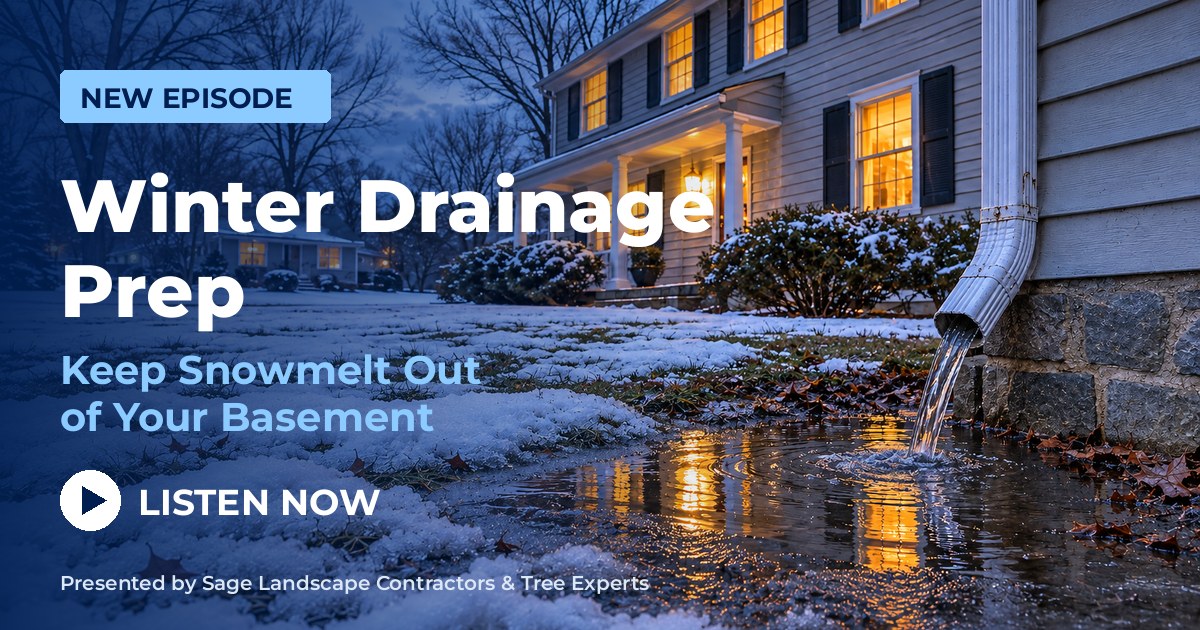
Keep Snowmelt Out of Your Basement: Winter Drainage Prep
Winter Drainage Prep: Keep Snowmelt Out of Your Basement
The snow finally melts after a storm. But instead of soaking into your lawn, the water pools right against your foundation. It’s one of the most common ways basements flood in winter, and most homeowners never see it coming.
Good winter drainage starts before the first freeze. In this episode, host Juniper talks with Sam about what goes wrong in a New Jersey yard once winter hits, and the simple checks that keep water moving away from your home.

Listen to the full episode (7 minutes)
In This Episode
- Why frozen ground turns snowmelt into a foundation problem
- How far to slope your yard and extend downspouts
- When a French drain, dry well, or swale makes sense
- Why you should test your sump pump before the thaw
- How one fallen branch can block an entire drain
Why Winter Is Drainage Season
Most people think flooding is a spring rain problem. Sam sees it differently: “Winter sets the stage for it.”
Several problems stack up at once:
- Snowmelt pools in low spots and near the house.
- Runoff erodes soil, especially on slopes and bare beds.
- Snow and ice block gutters, downspouts, and drain inlets.
- Frozen ground can’t absorb water. It sheds it instead.
That last one is the big one. As Sam puts it, frozen soil “just sheds water instead of absorbing it. So that water has to go somewhere, and if your drainage system isn’t ready, it tends to go toward the house.”
Your Pre-Freeze Yard Walk
Before the first hard freeze, walk your property and check these five things:
- Find the low spots. Look for areas where water already pools after rain.
- Clear gutters and downspouts. Remove leaves and debris so water can flow.
- Inspect drainage pipes. Look for blockages, leaks, or cracks, and repair them quickly.
- Check your grading. The ground near your home should slope away from the foundation, not toward it.
- Look up. Note any overhanging branches that could break under snow and fall into your drains.
How Far Should Water Go?
A common guideline is to regrade the soil within about 10 feet of the foundation so it slopes away from the house. Downspouts should be extended at least 6 feet from the home.
Some municipal guidance sets a minimum of 3 feet as a baseline for routing runoff away from the foundation. More distance is better when your yard allows it.
When Grading Isn’t Enough
Some yards need more than a slope. Three common fixes:
| Solution | What it is | Good for |
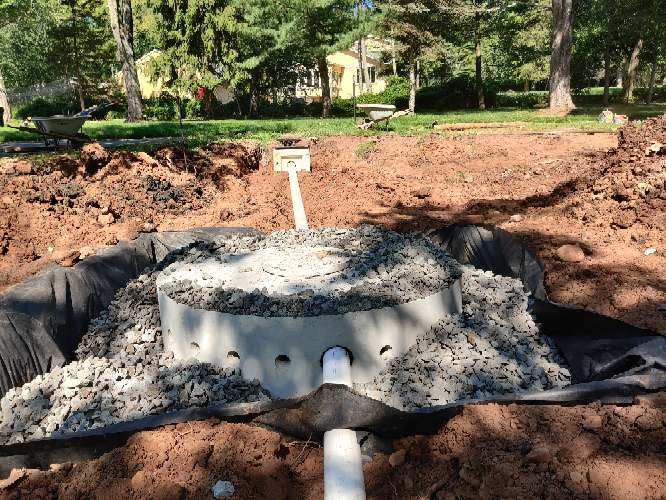
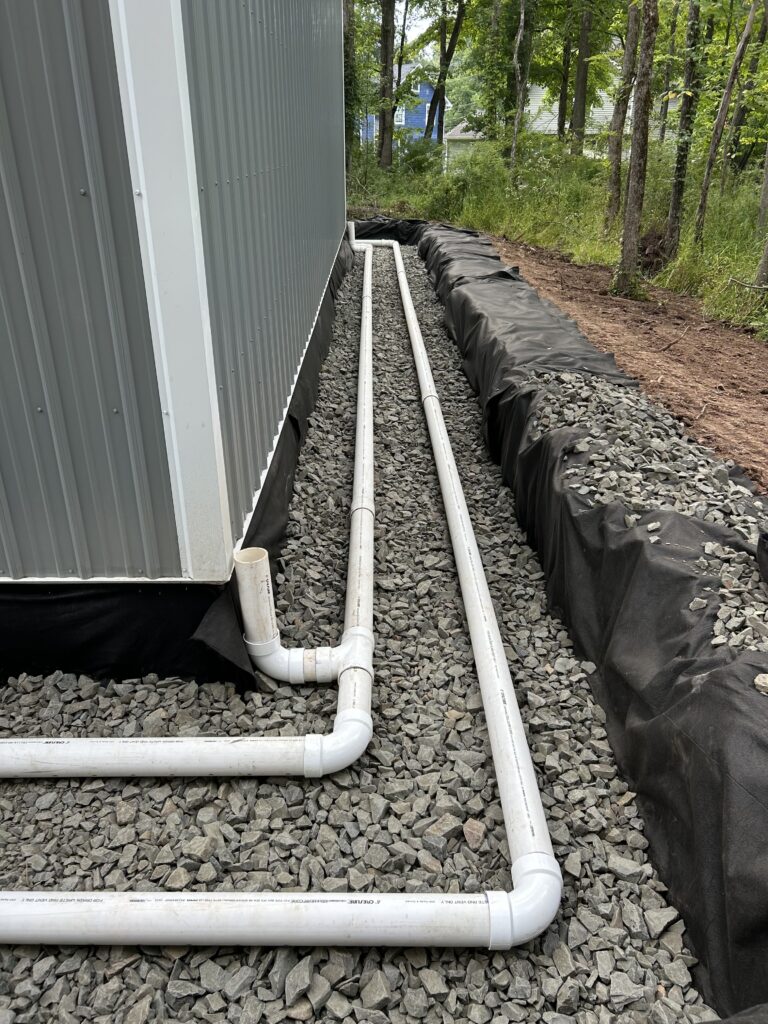
| French drain | A gravel-filled trench with a perforated pipe underneath | Redirecting water away from the foundation |
| Dry well | An underground pit that collects runoff and lets it soak in slowly | Downspout water with nowhere to go |
| Swale | A shallow, grassy ditch | Guiding runoff along a path you choose |
The right choice depends on your soil, slope, and where the water needs to go. A site visit is the fastest way to know.
Protect the Foundation
Once water is moving through the yard, focus on the area right around the house.
Gutters and downspouts, over and over again. Sam’s advice is simple: inspect them regularly and keep them free of debris all season, not just in the fall.
Test your sump pump before the snow melts, not after. Snowmelt can raise groundwater and put extra demand on the pump. If the discharge line is frozen or blocked, water can back right up into the basement.
Add a battery backup. Power outages often happen during storms, which is exactly when your pump matters most. Sam compares it to a spare tire: “You hope you never need it, but you really don’t want to find out the hard way that you don’t have one.”
Watch the yard during heavy weather. New pooling in a spot that used to stay dry is usually the first sign something is off.
Don’t Forget the Trees
Snow-heavy limbs break. When they do, they can dump debris right into your drainage system.
Sam remembers walking a client’s property after a heavy snow and finding “a whole branch wedged across a drain inlet. Nobody noticed until the water had nowhere to go.”
Trimming overhanging branches before winter lowers that risk. Aerating the soil before it freezes helps too, because it keeps a better balance of air and water in the ground.
The Bottom Line
Drainage problems rarely show up overnight. They build from small things: snow sitting in the wrong spot, a clogged downspout, a sump pump nobody tested.
“The little stuff you put off,” Sam says, “is exactly the stuff that turns into the expensive stuff.”
Get Your Yard Ready Before the Snow Flies
Sage Landscape Contractors and Tree Experts can walk your property, spot drainage trouble, and handle the fix, from grading and French drains to tree trimming.
- Serving New Jersey for over 40 years
- A+ rating with the Better Business Bureau
- Fully licensed and insured
- Full service: design, installation, and final inspection
Episode Transcript
Juniper: Imagine this scenario. The snow finally melts after a storm, and instead of soaking into your lawn, it’s pooling right against your foundation. That’s actually one of the most common ways basements flood in winter, and most people never see it coming. Welcome to the show. Today we’re talking winter drainage prep with someone who spends a lot of time thinking about yards, gutters, and all the related concerns.
Sam: Happy to be here. And yeah, that scenario you just described, I see it every year. People think flooding is a spring rain problem, but honestly, winter sets the stage for it.
Juniper: So let’s start broad. What actually goes wrong with drainage once winter hits?
Sam: There are a few things stacking up at once. You’ve got excess water pooling from melting snow, soil erosion from runoff, and then snow or ice physically blocking the drainage system itself. Add frozen ground into the mix, which basically can’t absorb water the way it normally would, and you’ve got a recipe for trouble near the foundation.
Juniper: So it’s almost like the ground itself stops doing its job.
Sam: Exactly. Frozen soil just sheds water instead of absorbing it. So that water has to go somewhere, and if your drainage system isn’t ready, it tends to go toward the house.
Juniper: Let’s talk about prep, then. What should a homeowner actually walk their yard and check for before the first freeze?
Sam: Start by looking for low spots or areas where water already tends to pool. Then check that your gutters and drainage pipes are clean and actually functioning. And grading matters a lot. You want the lot sloped so water runs away from the foundation, not toward it.
Juniper: How far away are we talking, roughly?
Sam: A common guideline is regrading the soil within about ten feet of the foundation so it slopes away, and extending downspouts at least six feet from the house. Some municipal guidance even recommends routing runoff a minimum of three feet from the foundation as a baseline.
Juniper: Okay, and if grading alone isn’t enough?
Sam: That’s where French drains or dry wells come in. A French drain is basically a gravel-filled trench with a perforated pipe underneath that redirects water away from the foundation. Some yards use swales instead, which are just shallow ditches that guide runoff along a path you choose rather than letting it wander.
Juniper: So we’ve established the big winter drainage risks and the main fixes: pooling, blocked systems, frozen ground, and grading or French drains to manage it. That sets up our next piece, protecting the foundation itself once that water’s moving, but first, a quick word from our sponsor.
Sponsor: Getting your yard ready for winter doesn’t have to be a guessing game. Sage Landscape Contractors and Tree Experts has served New Jersey for over forty years, earning an A+ rating with the Better Business Bureau along the way. As a fully licensed and insured, full-service provider, Sage handles everything from design through installation and final inspection. If your yard needs a plan before the snow flies, learn what Sage can do at SageLandscaping.com.
Juniper: Picking up on protecting the foundation, once water’s moving through the yard the way you described, what should homeowners be doing closer to the house itself?
Sam: Gutters and downspouts, over and over again. Regularly inspect them and keep them free of debris that could block water flow. Also check your drainage pipes for blockages, leaks, or cracks, and get those repaired quickly if you spot them.
Juniper: And what about sump pumps? I feel like people forget about those until it’s too late.
Sam: Test it before the snow starts melting, not after. Snowmelt can actually raise groundwater and put extra demand on the pump, and if the discharge line is frozen or blocked with debris, water can back right up into the basement.
Juniper: Mm-hmm, makes sense, go on.
Sam: A battery backup is worth having too, since a power outage during a storm is exactly when you need the pump most. It’s a bit like keeping a spare tire in your trunk. You hope you never need it, but you really don’t want to find out the hard way that you don’t have one.
Juniper: Ha, fair comparison. So basically, don’t let the pump be the one thing you never test.
Sam: Right, that’s the whole idea. And during heavy weather, just keep an eye on the yard. If you see pooling starting to form somewhere it never used to, that’s usually your first sign something’s off with the drainage.
Juniper: What about trees? Do overhead branches play into this at all?
Sam: They do. Trimming overhead branches reduces the chance of snow-laden limbs breaking and dumping debris straight into your drainage system. I remember walking a client’s property after a heavy snow one winter and finding a whole branch wedged across a drain inlet. Nobody noticed until the water had nowhere to go.
Juniper: That’s a pretty vivid way to learn a lesson.
Sam: It really is. And honestly, aerating the soil before it freezes helps too. It keeps a better air-water balance so the ground isn’t working against you the moment temperatures drop.
Juniper: So between watching for pooling, keeping drainage pipes and gutters clear, testing the sump pump, and trimming back branches, it really comes down to a handful of habits repeated consistently through the season.
Sam: That’s the heart of it. Drainage problems rarely show up overnight. They build from small, ignored details: snow sitting in the wrong spot, a clogged downspout, a pump nobody tested. Basically, the little stuff you put off is exactly the stuff that turns into the expensive stuff.
Juniper: Have you ever wondered what your own basement is trying to tell you after the first real thaw? Have you ever had a winter where skipping just one of these steps caused a bigger headache than expected?
Sam: Oh, plenty. It’s usually the drainage pipe nobody checked for cracks. Small leak, frozen ground, and suddenly water’s surfacing somewhere nobody expected.
Juniper: This has been such a practical rundown. Proactive drainage checks, grading, sump pump readiness, and smart tree trimming can really make the difference for a homeowner’s basement this winter. Thanks so much for walking us through it.
Sam: Thanks for having me. This is exactly the kind of prep that saves people a lot of stress later.
Juniper: And that’s a wrap for today’s episode. Stay dry out there, and we’ll catch you next time.