5 Outdoor Projects to Finish Before First Frost – NJ Landscape Experts Explain
Frost is coming to New Jersey sooner than you think, and one wrong move now could cost you thicker turf, healthier trees, and a driveway that survives winter’s freeze-thaw cycles. Which five projects can’t wait?
Key Takeaways
- New Jersey’s first fall frost typically arrives between October 16-31 across most of the state, with northwestern, higher-elevation areas seeing frost as early as October 1-15
- Fall lawn renovation windows run August 15-October 5 for Northern New Jersey and August 20-October 10 for Trenton and points south, giving cool-season grass a head start over spring seeding
- Rain-soaked fall soil makes drainage problems like standing water and erosion far easier to spot and correct before winter freezing makes them worse
- New Jersey homeowners cannot apply lawn fertilizer between November 15 and March 1, so timing any fall feeding correctly matters more than it might seem
- Sage Landscape Contractors & Tree Experts points to soil-test-informed care and site-specific drainage evaluations as smarter alternatives to one-size-fits-all fall maintenance
Cooler mornings and shorter days mean one thing for New Jersey homeowners: the countdown to winter has started. Several outdoor projects work best when tackled in the weeks before the ground freezes, from lawn repair to tree care to drainage fixes that only show themselves after a good rain. Getting these tasks done now sets up a property that survives winter in better shape and bounces back faster come spring. Sage Landscape Contractors & Tree Experts has spent decades helping New Jersey properties transition through the seasons, and the guidance below reflects the kind of planning that makes a real difference before frost arrives.
New Jersey’s First Frost Timeline
Frost does not hit every New Jersey backyard on the same day. Location, elevation, and how close a property sits to the coast all shape when temperatures first dip low enough to damage tender plants. For most of the state, the average first frost falls between October 16 and October 31. Homeowners in northwestern New Jersey, where elevations climb higher, often see frost arrive earlier, generally between October 1 and October 15.
These dates are historical averages, and any given year can bring frost earlier or later than expected. A more useful approach involves watching local weather patterns closely as October approaches and adjusting outdoor project schedules based on real forecasts rather than an average that may not match this year’s conditions.
Renovate Your Lawn Now
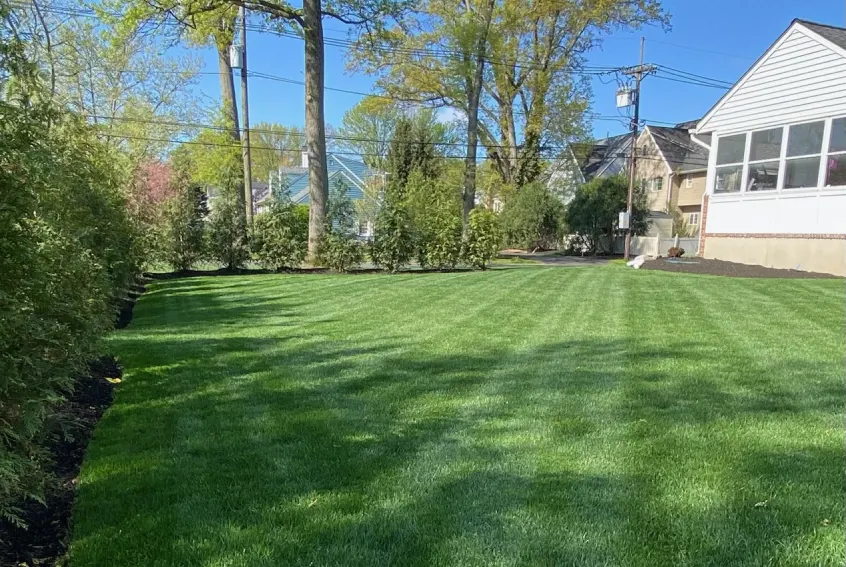
Fall is prime time for lawn renovation in New Jersey, and the science behind that timing is straightforward. Cool-season turfgrasses, including tall fescue, Kentucky bluegrass, perennial ryegrass, and fine fescues, dominate New Jersey lawns, and these grass types thrive when air temperatures drop while soil stays warm. That combination creates near-perfect conditions for seed germination and root development.
Best Seeding Windows by Region
Timing shifts slightly depending on where a property sits in the state. Rutgers Cooperative Extension identifies these approximate windows for major lawn renovation work:
- Northern New Jersey: August 15 through October 5
- Trenton and points south: August 20 through October 10
Homeowners who missed the early part of these windows still have options, but waiting too long into fall reduces the amount of time new grass has to establish before winter dormancy sets in.
Why Fall Beats Spring Seeding
Spring seeding sounds intuitive, but it usually creates more headaches than it solves. Weed pressure, especially from crabgrass, tends to spike in spring and competes directly with young grass seedlings for light, water, and space. Fall seeding sidesteps that competition almost entirely.
New grass planted in fall also gets a head start most spring-seeded lawns never catch up to. Seedlings establish root systems across two consecutive cool seasons, fall and the following spring, before facing the stress of summer heat. That extended runway builds a sturdier, deeper root structure. One caveat worth remembering: new seed still needs consistent moisture to germinate and establish, even as the weather cools down, so watering schedules should not stop just because temperatures have dropped.
Spot and Fix Drainage Problems
Drainage issues have a habit of hiding in plain sight until rain forces them into view. Fall’s frequent rainfall makes this the ideal season to catch problems that summer’s dry stretches conceal, before they turn into costly repairs.
Warning Signs After Fall Rain
A walk around the property after a heavy fall rain can reveal a lot. Watch for these common indicators of drainage trouble:
- Standing water that lingers well after rainfall ends
- Muddy or soggy turf in specific low-lying areas
- Visible erosion or washout in mulch beds
- Water flowing across patios, walkways, or driveways
- Water pooling near the foundation of the home
Any of these signs points to an underlying issue that will only get worse as winter’s freeze-thaw cycles add stress to soil and hardscape surfaces.
Matching Solutions to the Cause
Not every drainage problem calls for the same fix, and effective correction starts with figuring out where the water is coming from and where it wants to go. Negative grading toward the house, compacted soil, low spots, and downspouts that dump water too close to the foundation are among the most common culprits behind wet yards.
Depending on the cause, solutions range from regrading and swales to catch basins, French drains, or subsurface drainage systems using perforated pipe set in stone. Reseeding a chronically wet patch without addressing the grading or compaction underneath it rarely solves anything long-term. A property-specific evaluation tends to produce far better results than a single generic fix applied everywhere.
Plant Trees, Inspect for Hazards
Early fall creates a genuine sweet spot for adding new trees and shrubs to a New Jersey property, and it also happens to be a smart time to check existing trees for hidden problems before winter storms test their limits.
Ideal Conditions for Fall Planting
Many deciduous and evergreen trees and shrubs transplant well in early fall, with a few species-specific exceptions. Cooler air temperatures reduce heat stress on newly planted trees, while soil often stays warm enough to support continued root growth right up until the ground freezes. Soil temperature matters here: planting works best when soil sits at least 50 degrees Fahrenheit, giving roots enough warmth to get established before dormancy.
Newly planted trees and shrubs still need regular watering during this window. Cooler weather does not reduce a plant’s need for care; consistent moisture remains necessary for root establishment. Early fall also suits other planting projects, including refreshing perennial beds and putting spring-flowering bulbs in the ground, since bulbs generally go in from mid-September through October so roots can settle before winter arrives.
Signs Your Tree Needs Attention
Late summer and early fall give homeowners a clear window to inspect trees after a full season of growth and before leaves drop and winter weather adds pressure. Look for these warning signs during a walk-through:
- Dead limbs or branches with no leaves left
- Broken or hanging branches caught in the canopy
- Visible cracks along the trunk or major limbs
- Fungal growth at the base or along the bark
- Large limbs positioned over a roof, driveway, or walkway
- Branches rubbing against the house, garage, or power lines
Removing dead or damaged limbs before winter can reduce the odds of storm-related damage, though no amount of pruning eliminates all risk during severe weather. High pruning, full tree removal, and any work near power lines call for trained professionals with the right equipment, not a DIY ladder-and-chainsaw approach.
Upgrade Hardscapes and Clear Debris
Late summer often leaves homeowners with a clear-eyed view of how their outdoor living space actually performed all season, and that insight makes fall a natural time to plan improvements.
Assessing Patios and Walls After Summer
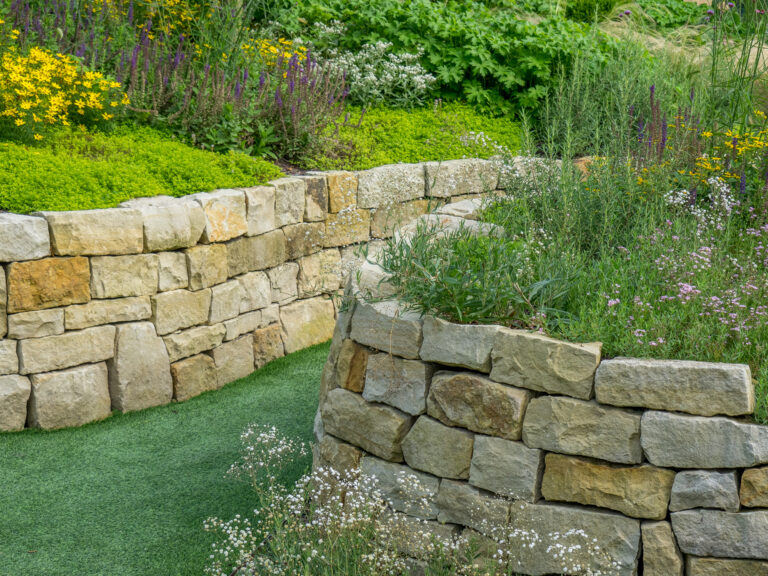
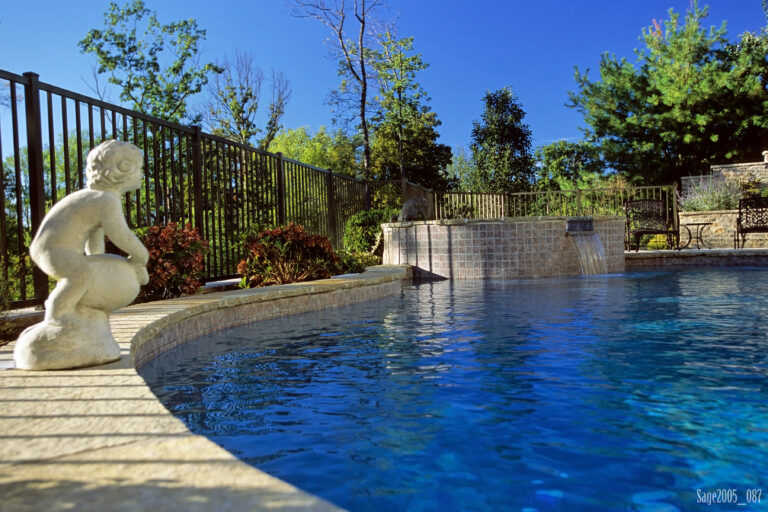
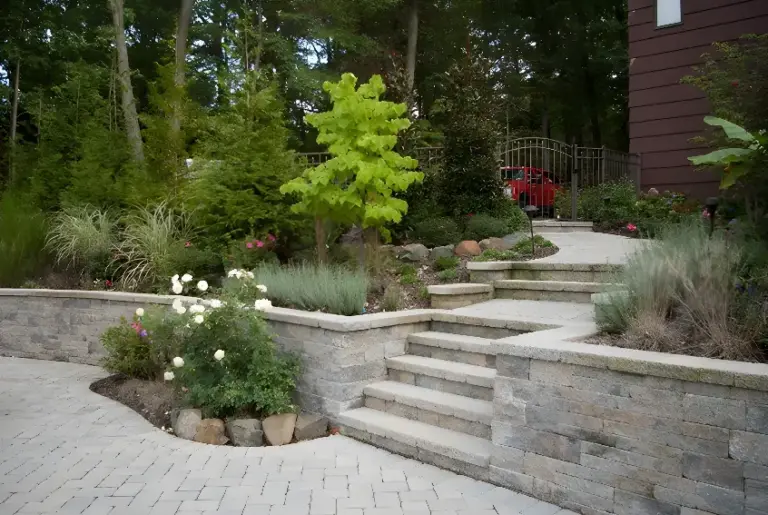
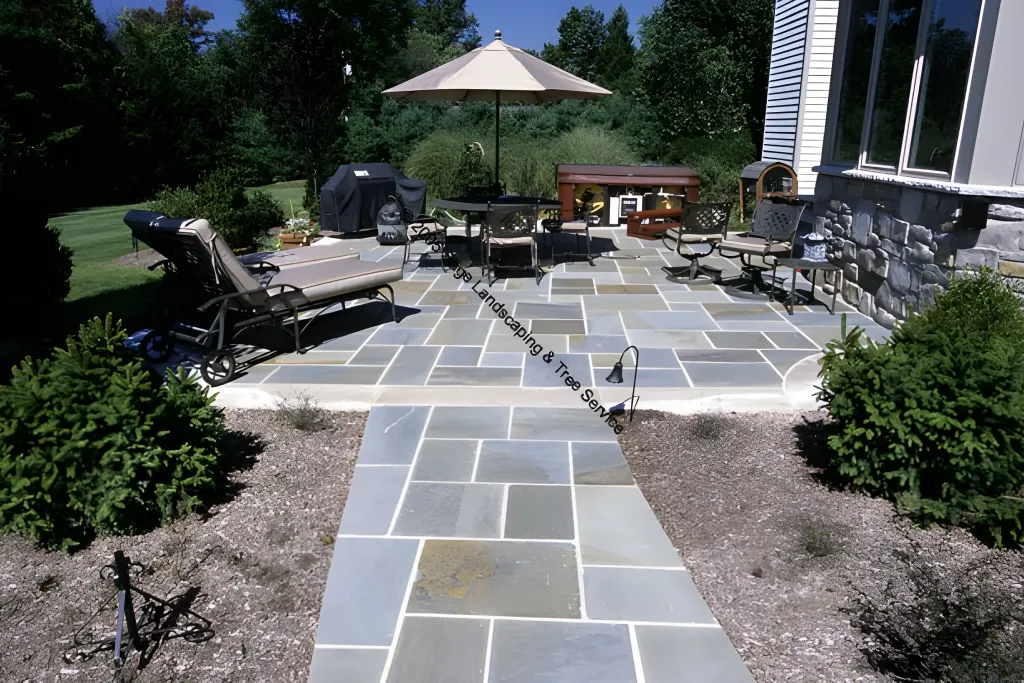
A season of heavy use tends to expose weaknesses that were easy to overlook in spring. Common frustrations that surface by late summer include a patio too small for entertaining, pavers that have shifted or settled unevenly, walkways that collect water or turn slippery, and a backyard that goes unused once pool season wraps up. Retaining walls, steps, and edges showing wear are also worth a second look.
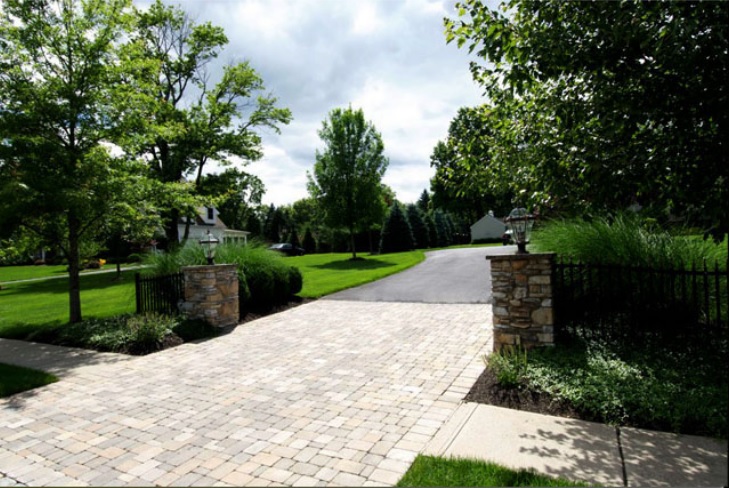
Early fall, particularly September through early October, tends to bring warm days and consistently mild nights, conditions that help concrete cure properly and allow a paver base to stabilize before cold weather sets in. Projects like patio expansions, seating walls, fire pits, and outdoor lighting fit well into this window, and many of these upgrades pair naturally with drainage corrections addressed earlier in the season.
Cleanup Tasks Before Winter Sets In
Fall cleanup goes beyond tidying up appearances. A thorough cleanup protects the investment already made in a property by preparing lawns, planting beds, drainage areas, and hardscape surfaces for whatever winter brings. Worthwhile tasks include:
- Removing spent annuals and cutting back appropriate perennials
- Redefining bed edges and refreshing mulch layers
- Clearing debris from catch basins, drains, and hardscape surfaces
- Managing fallen leaves so they do not smother the lawn
Leaves are not automatically a problem. Used thoughtfully, they make effective mulch that helps control weeds, conserve moisture, and reduce erosion. A thick, unbroken layer left sitting on turf, however, blocks light and traps excess moisture, so shredding or removing heavy leaf cover works better than leaving everything exactly where it falls. Pruning shrubs across the board this time of year is not advisable either, since spring-flowering varieties can lose next year’s blooms if cut back at the wrong moment.
Know New Jersey’s Fertilizer Deadlines
New Jersey enforces statewide seasonal restrictions on lawn fertilizer to protect water quality, and missing these deadlines can mean fines or unnecessary environmental impact. Homeowners may not apply nitrogen or phosphorus fertilizer to lawns between November 15 and March 1. Professional applicators face a slightly different window, prohibited from applying between December 1 and March 1.
Beyond the calendar restriction, fertilizer should never go down on frozen ground or soil that cannot absorb nutrients properly, since runoff at that point does little for the lawn and adds pollutants to local waterways. Rather than treating fall feeding as an automatic task, a soil test can clarify whether a lawn actually needs fertilizer and in what amount, turning a routine chore into a more precise, effective step.
Fall Prep Now Means a Healthier Spring Yard
Every project covered here, from seeding bare patches to inspecting trees to clearing gutters and catch basins, works toward the same goal: a property that handles winter’s stress gracefully and greets spring already ahead of schedule. Skipping fall prep still allows for recovery, but spring typically arrives with more repair work and fewer head starts.
Homeowners who tackle even two or three of these tasks before the ground freezes typically notice the difference by April, with thicker turf, healthier trees, and hardscapes that held up through the freeze-thaw cycles of winter. For a practical next step, consider scheduling a fall property assessment to catch drainage issues, tree hazards, and lawn thin spots before the first frost locks everything in for the season.