Backyard Landscaping Costs & Hardscaping Options That Add The Most Home Value
Planning a backyard renovation? One hardscaping feature delivers up to 200% ROI while another recoups 109% of costs at resale. Discover which investments add the most value and why professional installation accounts for nearly half your budget.
Key Takeaways
- Backyard hardscaping projects typically cost between $5,000-$18,000, averaging around $9,000 for most homeowners
- Hardscaping features like outdoor kitchens (55-200% ROI), fire pits (67% ROI), and paver patios (up to 109% ROI) offer high returns on investment
- Strategic hardscaping can add 10-15% to home value by creating additional outdoor “square footage” and low-maintenance appeal
- Professional installation typically accounts for 40-60% of total project costs but ensures proper execution and maximized ROI
Transforming a backyard from basic lawn to functional outdoor living space requires careful planning and smart investment decisions. Understanding the true costs involved and which features deliver the strongest returns helps homeowners make informed choices that boost both lifestyle and property value.
Backyard Landscaping Costs: What Homeowners Actually Pay
The average hardscaping project costs between $5,000 and $18,000, with most homeowners spending around $9,000. This wide range reflects the variety of projects possible, from simple paver walkways to complete outdoor entertainment spaces. Cost typically breaks down to $5-$25 per square foot, depending on materials and complexity.
Labor represents the largest expense component, accounting for 40-60% of total project costs. Skilled hardscaping professionals charge $50-$100 per hour, reflecting the specialized knowledge required for proper installation, drainage, and structural integrity.
Material costs vary significantly based on selection. Basic concrete pavers start around $3-$6 per square foot, while premium natural stone can reach $15-$30 per square foot. Mid-range options like stamped concrete or engineered pavers typically fall between $8-$15 per square foot, offering durability and aesthetic appeal without premium pricing.
Hardscaping Features With High ROI
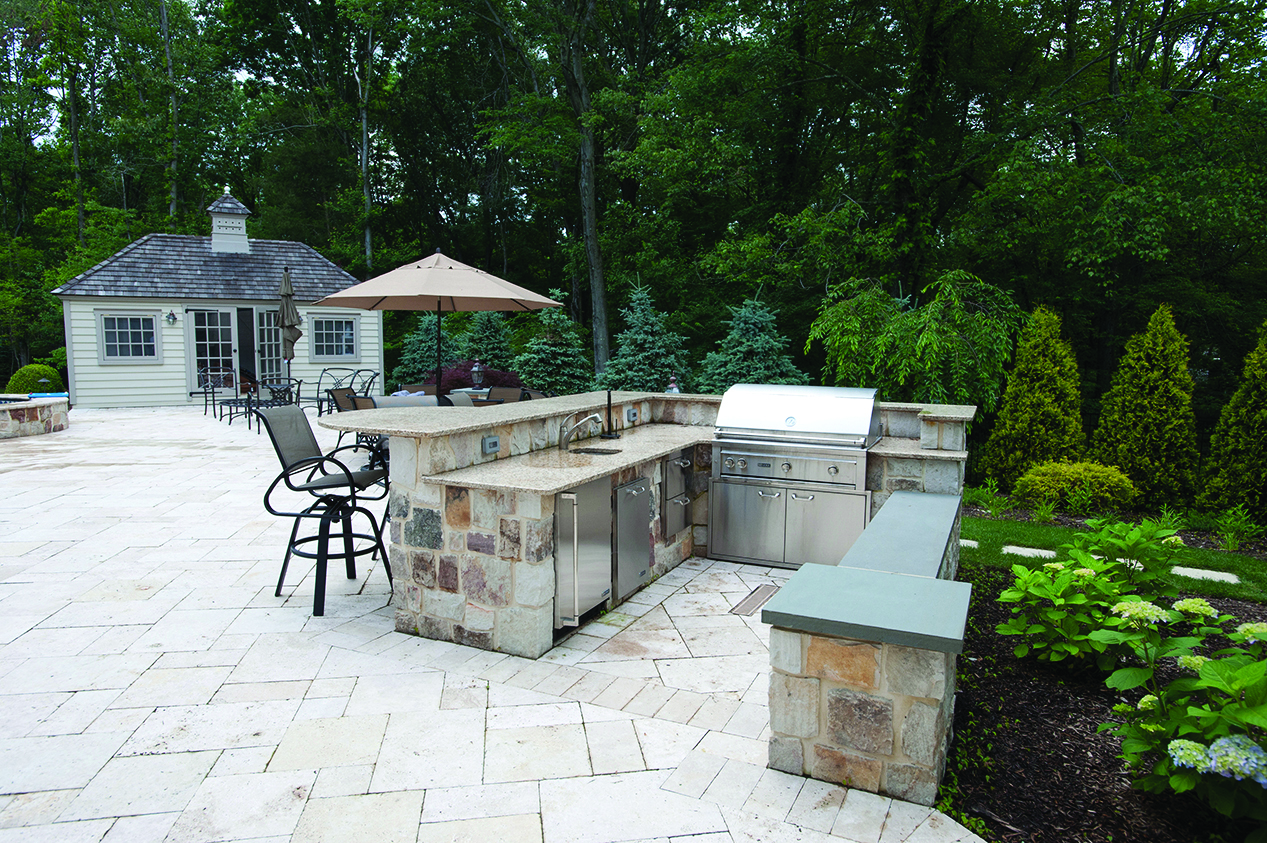
1. Outdoor Kitchens: 55-200% Return
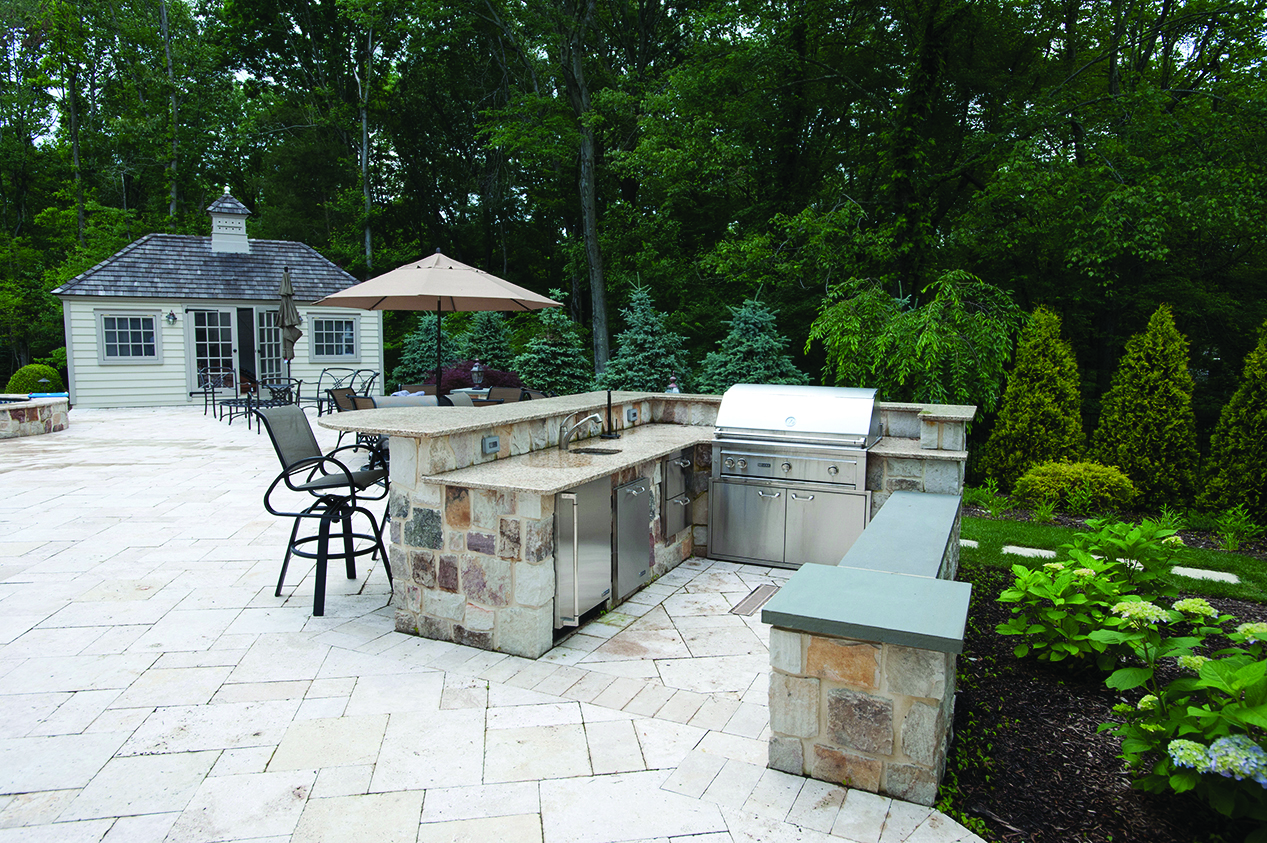
Outdoor kitchens consistently rank among the most valuable hardscaping investments. The National Association of Realtors found that 83% of real estate professionals consider outdoor kitchens a top feature for increasing resale value. ROI varies from 55% to 200% depending on location, features included, and local market conditions.
High-performing outdoor kitchen installations typically include built-in grills, countertops, storage, and basic utilities. Premium features like pizza ovens, refrigeration, and extensive lighting systems command higher returns in upscale markets but may over-improve properties in modest neighborhoods.
2. Fire Pits: 67% Return According to NAR
The 2018 Remodeling Report by the National Association of Realtors and National Association of Landscape Professionals showed homeowners achieve a 67% return on investment when installing outdoor fire pits. These features create popular outdoor amenities that extend outdoor living seasons.
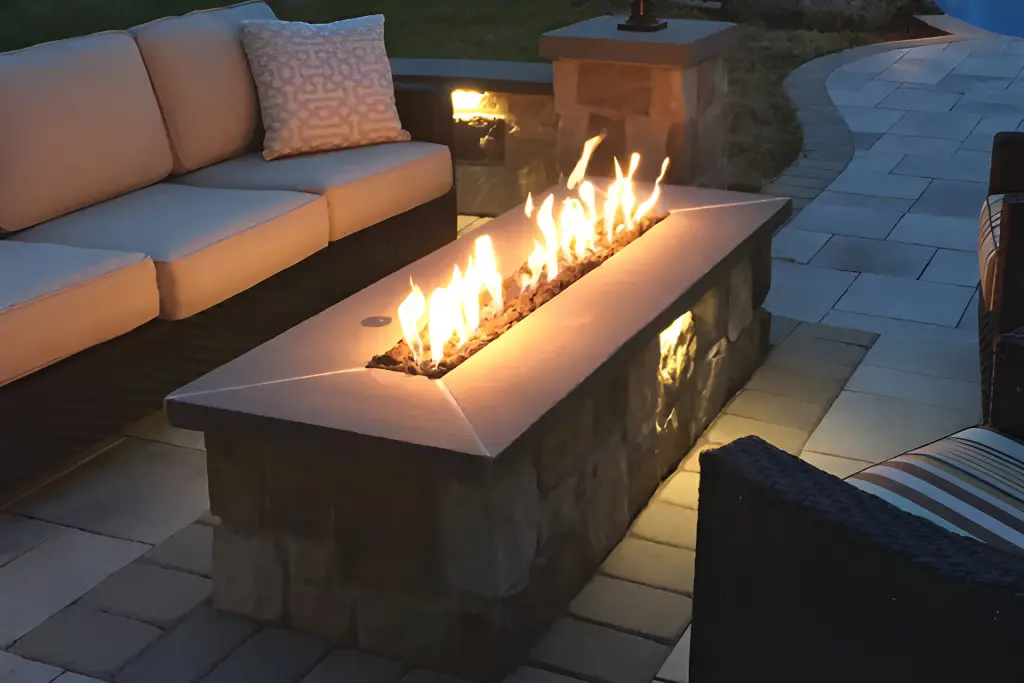
Fire pits create year-round gathering spaces that extend outdoor living seasons. Built-in stone or brick fire features typically outperform portable options in terms of property value, as they demonstrate permanent improvement and professional installation.
3. Paver Patios: Up to 109% ROI
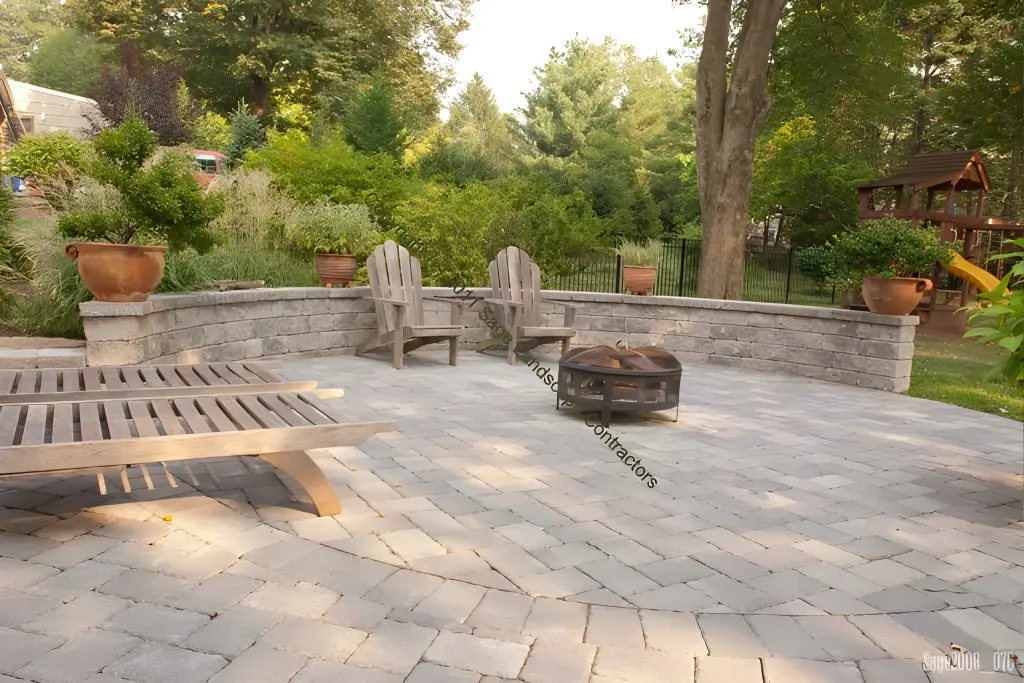
Paver patios deliver exceptional returns, with one study documenting a $3,269 patio installation generating a $3,563 value increase—representing 109% ROI. National real estate surveys suggest well-designed paver patios typically recoup 50% to nearly 100% of installation costs at resale.
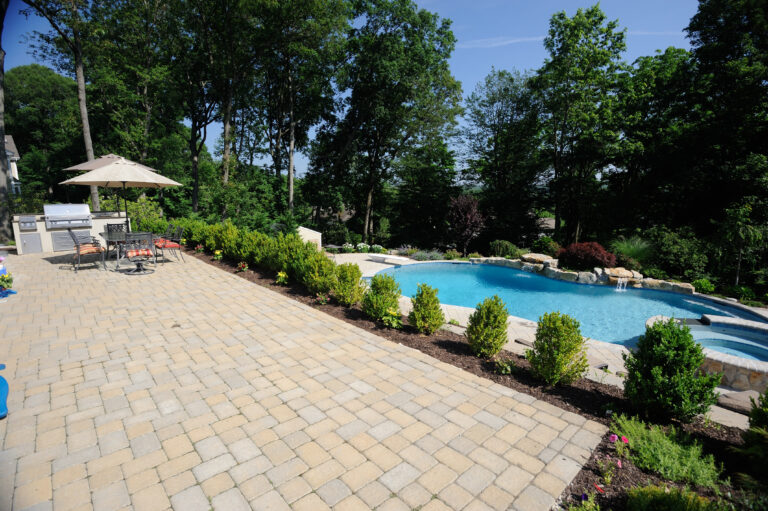
Concrete and stone patios function as outdoor room extensions, creating defined spaces for dining, entertaining, and relaxation. The key to maximizing returns lies in proper sizing, quality materials, and professional installation that ensures drainage and structural integrity.
Why Strategic Hardscaping Adds 10-15% to Home Value
Creates Additional ‘Square Footage’
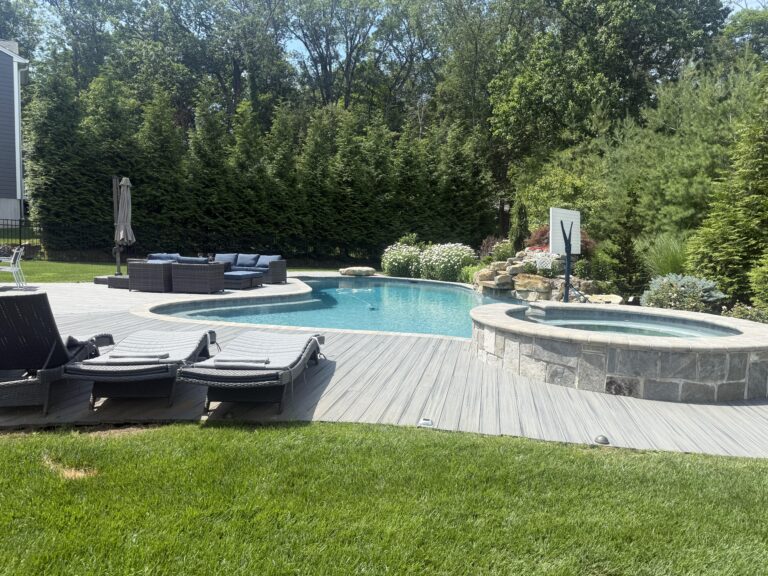
Hardscaping effectively expands usable living space without the cost of home additions. A well-designed patio functions as an outdoor room, providing space for dining, entertaining, and relaxation. Buyers recognize this expanded functionality, often calculating outdoor living areas into their space assessments.
The American Society of Landscape Architects reports that homeowners can increase property value by up to 20% through strategic landscaping investments. Hardscaping contributes significantly to this increase by creating defined, functional outdoor zones that improve daily living and entertainment capabilities.
Low-Maintenance Appeal for Busy Buyers
Modern buyers increasingly prioritize low-maintenance outdoor spaces. Hardscaping requires minimal upkeep compared to traditional landscaping—occasional sweeping and periodic power washing versus regular mowing, watering, and plant maintenance. This practical advantage appeals particularly to busy professionals and aging homeowners.
Quality hardscaping materials like pavers, natural stone, and concrete offer decades of durability with minimal intervention. Buyers recognize these long-term cost savings, making properties with established hardscaping more attractive than those requiring extensive outdoor development.
Immediate Curb Appeal Impact
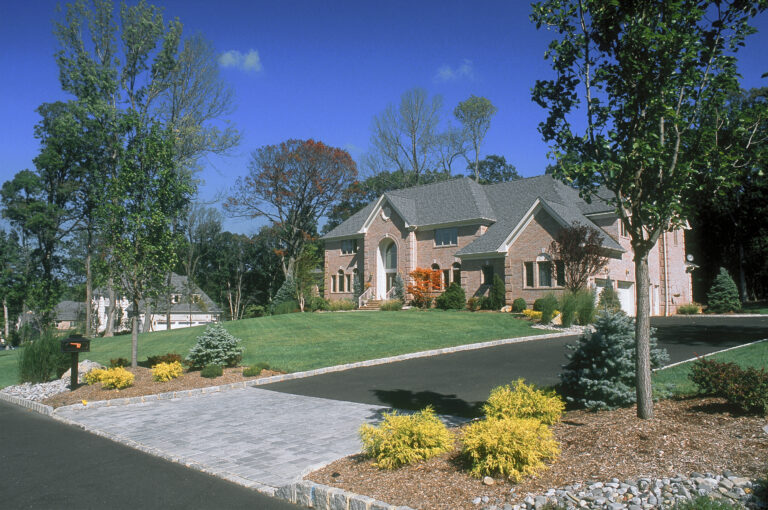
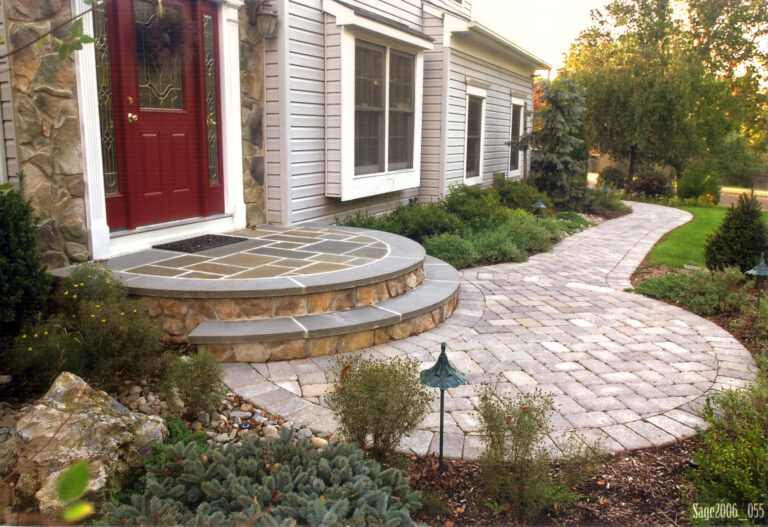
Hardscaping creates instant visual impact that improves first impressions. Professional walkways, driveways, and front-yard features signal quality construction and attention to detail. This curb appeal advantage helps properties stand out in competitive markets and supports higher asking prices.
Structured outdoor elements provide year-round visual interest, unlike seasonal landscaping that can appear dormant or neglected during off-seasons. Hardscaping maintains consistent aesthetic appeal regardless of weather or seasonal variations.
Professional Installation vs DIY: What Affects Your ROI
Professional installation significantly impacts long-term ROI through proper execution, warranty coverage, and code compliance. DIY hardscaping projects often encounter drainage issues, structural problems, and aesthetic inconsistencies that reduce property value rather than improve it.
Licensed contractors bring specialized knowledge of local soil conditions, drainage requirements, and building codes. They also carry insurance protecting homeowners from installation-related damage or injury claims. These protections justify higher upfront costs through reduced long-term risks.
Professional installations typically include warranties covering materials and workmanship, providing buyers confidence in the investment’s durability. DIY projects lack these assurances, potentially creating concerns during property sales that negatively impact perceived value.
However, simple projects like basic mulch installation or small decorative elements can be appropriate for DIY approaches when they don’t involve structural elements or complex drainage considerations.
Hire Contractors Who Deliver Integrated Outdoor Solutions
Successful hardscaping projects require coordinated planning that considers drainage, utilities, grading, and aesthetic integration. Contractors offering complete outdoor solutions eliminate coordination challenges between separate vendors while ensuring cohesive design execution.
Integrated approaches typically reduce overall project costs through efficient scheduling, bulk material purchasing, and streamlined logistics. Single-source responsibility also simplifies warranty coverage and ongoing maintenance requirements.
When selecting contractors, prioritize those demonstrating experience with projects similar in scope and style to your vision. Review portfolios, check references, and verify licensing and insurance coverage. Quality contractors will provide detailed proposals outlining materials, timelines, and warranty terms.
Look for contractors who conduct thorough site assessments, discuss drainage requirements, and explain how proposed features integrate with existing structures and future maintenance needs. This approach ensures installations that improve property value while meeting long-term functional requirements.