Why Fall and Winter Is the Best Time for Tree Pruning in NJ
New Jersey homeowners often wonder when to prune their trees, but timing it wrong could seriously weaken them before winter hits. November offers a specific window that most people miss—and understanding why could save your trees from costly damage.
Key Takeaways
- November marks the beginning of New Jersey’s dormant season pruning window, when trees experience minimal stress and faster recovery from cuts
- Disease-carrying pests become inactive during cold weather, making late fall ideal for removing infected branches without spreading problems
- Professional assessment ensures optimal pruning schedules tailored to each tree’s species-specific needs and local weather patterns
New Jersey homeowners often wonder about the perfect timing for tree pruning, and the answer lies in understanding how trees prepare for winter. November represents the sweet spot when deciduous trees enter dormancy, creating ideal conditions for stress-free pruning that promotes long-term tree health.
Dormant Season Pruning Window Extends Through Winter
The dormant season in New Jersey typically runs from late fall through early spring, providing homeowners with a generous window for tree maintenance. This extended timeframe allows flexibility in scheduling while ensuring trees receive care during their least stressful period. Unlike spring and summer when trees actively produce leaves and extend branches, the dormant months offer a natural pause in growth that makes pruning significantly less traumatic for trees.
During dormancy, trees redirect their energy from above-ground growth to root strengthening and nutrient storage. This energy shift creates optimal conditions for healing pruning wounds without compromising the tree’s overall health or winter survival capacity.
Tree Dormancy Makes Late Fall Ideal for Stress-Free Pruning
Late fall pruning takes advantage of trees’ natural preparation for winter dormancy. As temperatures drop and daylight hours shorten, trees begin shutting down their active growth processes, making this the perfect time for major structural work. Professional arborists at Sage Tree Experts emphasize that timing pruning with this natural cycle reduces stress and promotes faster healing.
Reduced Sap Flow Minimizes Tree Bleeding
Trees entering dormancy experience dramatically reduced sap flow, which prevents the excessive bleeding that can occur when pruning during active growing seasons. This reduction is particularly important for species like maples and birches, which can lose substantial amounts of sap when cut during spring or early summer. The minimized sap flow during dormancy allows trees to seal wounds more effectively while conserving valuable nutrients needed for winter survival.
Lower Energy Demands Speed Up Recovery
Dormant trees require significantly less energy to maintain basic functions, allowing them to dedicate more resources to healing pruning cuts. Without the demands of leaf production, branch extension, and active photosynthesis, trees can focus entirely on wound closure and preparation for spring growth. This energy allocation leads to faster recovery times and reduces the risk of secondary infections or pest infestations at cut sites.
Disease Prevention Benefits Peak During Dormancy
November pruning provides exceptional opportunities for disease prevention as trees prepare for winter. Removing diseased, damaged, or dead branches during this time eliminates potential sources of infection that could spread throughout the tree during winter months. The cooler temperatures and reduced humidity of late fall and winter create less favorable conditions for fungal growth, reducing infection risks at fresh cut sites.
Disease-Carrying Pest Activity Decreases in Cold Weather
Many disease-carrying insects become inactive as temperatures drop, making late fall and winter an ideal time to prune without attracting pests to fresh cuts. Bark beetles, which can transmit Dutch elm disease, and other harmful insects seek winter shelter rather than investigating new wounds. This natural pest reduction significantly lowers the risk of introducing diseases through pruning activities, particularly important for susceptible species like oaks and elms.
Removing Diseased Branches Before Winter Storm Damage
Late fall pruning allows homeowners to identify and remove compromised branches before winter storms arrive. Diseased or weakened branches become liability risks during ice storms and high winds common in New Jersey winters. Removing these problematic branches proactively prevents them from breaking and potentially damaging property or other healthy parts of the tree. This preventive approach also reduces the spread of diseases that thrive in wounded or broken wood.
Common New Jersey Trees Have Specific Dormant Season Needs
Different tree species native to New Jersey have evolved unique dormancy patterns that affect optimal pruning timing. Understanding these species-specific requirements ensures that homeowners can provide the best care for their particular trees while avoiding timing mistakes that could compromise tree health.
Maples and Birches Benefit from Strategic Dormant Season Pruning
Maples and birches respond well to dormant season pruning, though timing varies based on specific goals. These species are prone to heavy sap bleeding when cut during active seasons. Late fall through winter pruning prevents substantial fluid loss, while late winter or early spring pruning can also be effective.
Evergreens Like Eastern White Pine Accept Multiple Timing Options
While evergreens maintain some activity throughout winter, they benefit from light pruning during dormant periods. Eastern White Pine, common throughout New Jersey, responds well to pruning in late winter, early spring, or late fall when the tree is dormant. These trees require minimal pruning compared to deciduous species, but proper timing remains important for maintaining their natural form and preventing resin bleeding.
Poor Timing Can Weaken Trees Before Winter
Incorrect pruning timing can create serious problems for trees attempting to prepare for winter. Understanding these timing risks helps homeowners avoid weakening their trees when they need maximum strength to survive harsh weather conditions.
Professional Assessment Ensures Optimal Dormant Season Timing
While general timing guidelines provide valuable direction, each property’s trees require individual assessment to determine the most beneficial pruning schedule. Professional arborists evaluate tree species, health conditions, local climate patterns, and specific site factors to develop customized care plans that maximize tree health and longevity.
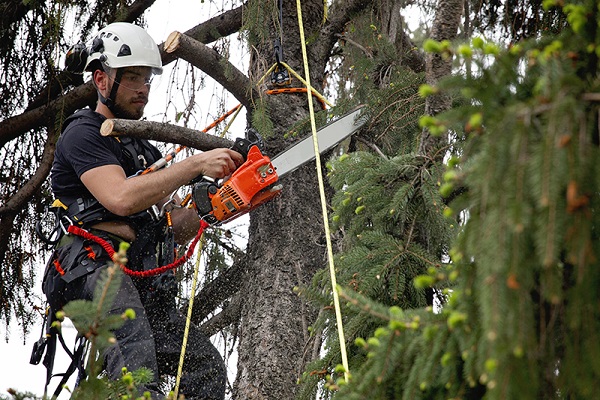
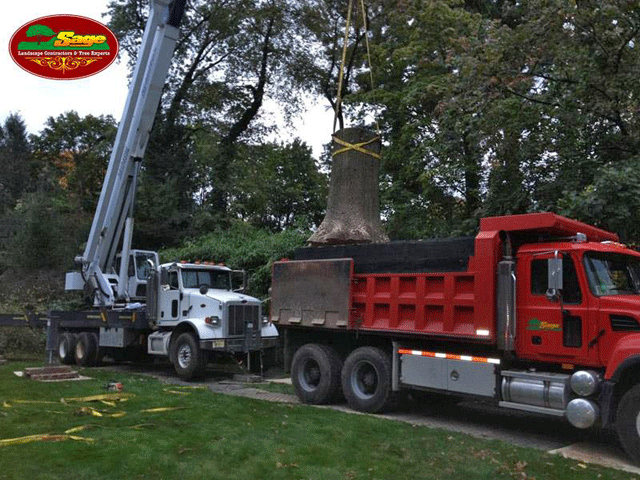
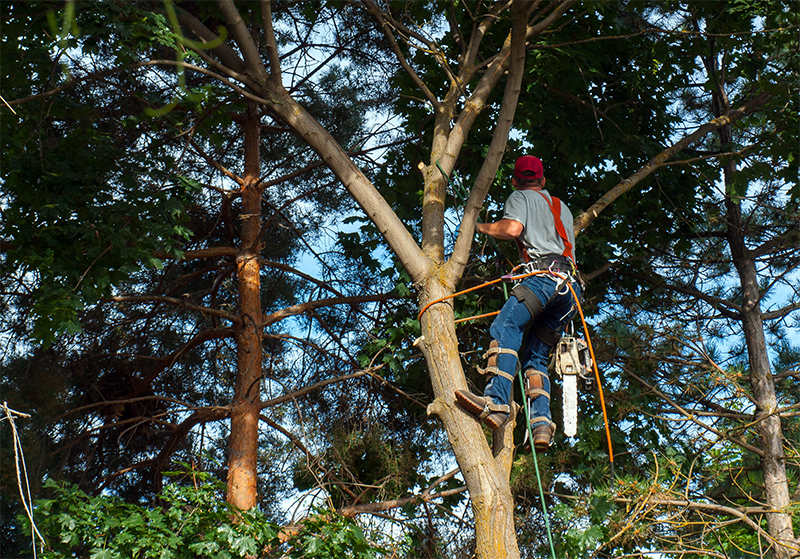
Certified professionals also possess the proper equipment and expertise needed for safely handling large trees and complex pruning situations. This expertise becomes particularly valuable when dealing with trees near power lines, structures, or in difficult-to-access locations common throughout New Jersey residential areas. Professional assessment ensures compliance with local regulations while maximizing both tree health and property value.
Note: Tree removal in New Jersey may require permits depending on tree size and local ordinances. Check with your local municipality for specific regulations before beginning any tree work.
For tree care services tailored to New Jersey’s unique climate and your property’s specific needs, contact Sage Landscape Contractors and Tree Experts to schedule a professional consultation and ensure your trees receive optimal care throughout the dormant season.