When to Best Plan Hardscapes? NJ Landscape Architect Reveals Freeze-Thaw Timing
Planning your New Jersey patio or retaining wall at the wrong time could turn your investment into a cracked disaster within months. Here’s why water’s 9% expansion during freezing changes everything about when you should actually start building.
Key Takeaways
- Split your hardscape timeline: Plan and design during late fall and winter, then build during early spring and early fall to avoid New Jersey’s destructive freeze-thaw cycles.
- Water expansion creates 9% more pressure during freezing, causing cracks and structural failure in poorly timed hardscape installations.
- Winter planning offers significant advantages: increased contractor availability, off-season pricing, and secured spring installation slots before schedules fill up.
- New Jersey’s clay soil requires specialized base preparation that only experienced local contractors understand for long-term stability.
- Ground-contact projects like patios perform best when installed in early spring, while structural projects need the extended warm weather of early fall.
New Jersey homeowners planning hardscape projects face a critical timing challenge that can make or break their investment. The state’s harsh freeze-thaw cycles destroy improperly scheduled installations, turning dream patios into cracked nightmares and retaining walls into costly repairs.
New Jersey’s Freeze-Thaw Cycle Can Destroy Your Hardscape Without Proper Timing
Water expansion during freezing creates approximately 9% more pressure, generating tremendous force that cracks pavers, shifts retaining walls, and destroys joint integrity. This natural process repeats dozens of times each winter in New Jersey, making timing absolutely critical for hardscape success.
The freeze-thaw cycle affects different hardscape materials in distinct ways. Concrete experiences surface scaling and internal cracking when moisture penetrates before proper curing. Stone and brick pavers shift and separate as expanding ice pushes against inadequately compacted base materials. Even properly installed hardscapes suffer when built too close to winter’s arrival.
Hardscape failures often stem from installation timing that doesn’t adequately account for New Jersey’s climate reality, in addition to issues with materials or workmanship. Professional landscape contractors like Sage Landscaping understand these seasonal challenges and structure their project timelines accordingly.
Two Critical Phases: Planning vs Building Hardscapes
Successful hardscape projects require separating the planning phase from the construction phase, with each occurring during optimal seasonal windows. This strategic separation protects your investment while maximizing both quality and cost-effectiveness.
1. Plan and Design (Late Fall Through Winter)
Late fall through winter provides ideal conditions for detailed planning and design work. Contractors have increased availability during their slower season, allowing more time for site assessments, design refinements, and permit processing. This period also offers homeowners the luxury of thoughtful decision-making without the pressure of immediate installation deadlines.
Design consultations during winter months benefit from contractors’ full attention and expertise. Complex drainage solutions, material selections, and integration with existing landscaping receive proper consideration when contractors aren’t rushing between active job sites. Municipal permit offices also process applications more efficiently during their slower winter periods.
2. Build and Install (Early Spring and Early Fall)
Construction timing depends heavily on project type and complexity. Early spring offers moist, workable soil conditions ideal for excavation and base preparation. Ground temperatures have stabilized above freezing, but summer’s extreme heat hasn’t yet complicated concrete curing and worker productivity.
Early fall provides an alternative installation window, particularly valuable for larger structural projects requiring extended warm weather for proper curing. September through early October delivers consistently moderate temperatures and lower humidity, creating optimal conditions for concrete work and joint stabilization.
3. Why This Split Timeline Protects Your Investment
Separating planning from construction prevents rushed decisions that lead to costly mistakes. Winter planning allows thorough site evaluation, proper material selection, and coordination with other landscaping elements. Spring or fall installation ensures adequate curing time before winter’s freeze-thaw cycles begin their destructive work.
This approach also maximizes contractor availability and competitive pricing. Planning during off-peak seasons secures better rates and preferred scheduling, while construction during optimal weather windows ensures quality workmanship and material performance.
Best Months for Each Type of Hardscape Project in NJ
Different hardscape projects require specific timing based on their construction requirements, curing needs, and vulnerability to freeze-thaw damage. Understanding these distinctions helps homeowners schedule projects for maximum success and longevity.
Ground-Contact Projects: Patios and Walkways
Patios, walkways, and similar ground-level hardscapes perform best when installed during early to mid-spring, typically March through May. This timing takes advantage of moist soil conditions that facilitate excavation and base compaction while providing sufficient warm weather for proper settling before winter arrives.
Spring installation allows paver joints to stabilize and provides sufficient time for polymeric sand to cure properly under favorable, typically moderate, conditions before winter arrives. The moderate temperatures prevent rapid moisture loss during installation while ensuring adequate time for base materials to compact under normal seasonal moisture variations. Completed projects have months to stabilize before facing their first freeze-thaw cycle.
Structural Projects: Retaining Walls and Driveways
Retaining walls, driveways, and other structural hardscapes require extended warm weather for optimal concrete curing and base stabilization. Early fall installation, typically September through early October, provides consistently warm days and nights necessary for proper structural development.
These projects benefit from fall’s lower humidity and reduced precipitation compared to spring. Concrete footings and base preparations cure more predictably in fall’s stable weather patterns. The extended warm period before winter’s onset allows structural elements to achieve full strength before experiencing freeze-thaw stresses.
Maintenance and Protection Work
Protective maintenance occurs during late fall, typically October through November, before winter’s harsh conditions begin. This includes joint sand replacement, surface cleaning, and sealing applications that protect existing hardscapes through the winter months.
Pre-winter maintenance prevents water infiltration into base layers, reducing freeze-thaw damage potential. Inspecting and topping off polymeric sand between pavers creates crucial barriers against moisture penetration that leads to heaving and structural failure.
How New Jersey’s Clay Soil and Climate Affect Installation Success
New Jersey’s soils, which frequently contain clay, present unique challenges for hardscape installation that inexperienced contractors often underestimate. Clay soil’s expansion and contraction properties create ongoing movement that destroys improperly prepared hardscape bases.
Water Expansion Creates 9% More Pressure During Freezing
When water freezes, it expands by approximately 9%, creating tremendous pressure against hardscape materials and base preparations. This expansion force easily cracks concrete, shifts pavers, and destroys joint integrity when installations don’t account for New Jersey’s repetitive freeze-thaw cycles.
The pressure generated by freezing water exceeds most hardscape materials’ tensile strength, making proper drainage and base preparation absolutely critical. Even small amounts of trapped moisture create enough expansion force to damage seemingly solid installations over repeated freeze-thaw cycles.
Clay Soil Requirements for Stable Base Preparation
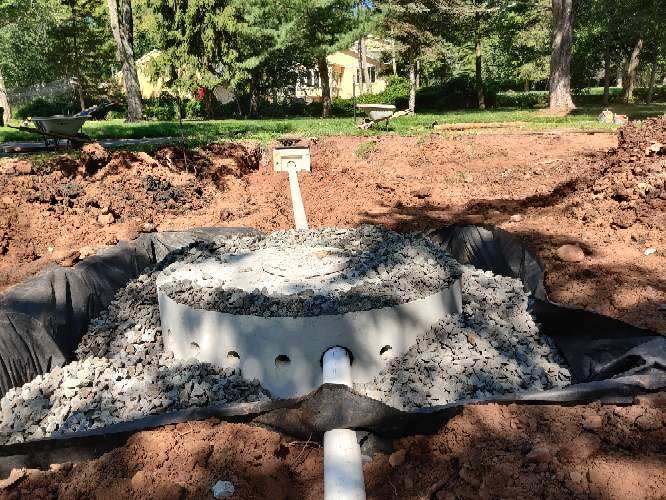
Clay soil requires specialized base preparation techniques that differ significantly from sandy or loamy soil conditions. Proper drainage systems, geotextile fabrics, and carefully graded base materials become necessary for preventing long-term failure in clay soil conditions.
The clay’s tendency to retain moisture and expand during wet periods creates ongoing movement that shifts inadequately prepared bases. Professional contractors understand the need for deeper excavation, improved drainage, and specific compaction techniques that account for clay soil’s unique properties.
Winter Planning Advantages Most Homeowners Miss
Most homeowners overlook winter’s significant advantages for hardscape project planning, missing opportunities for better service, pricing, and scheduling. Understanding these benefits helps maximize both project quality and cost-effectiveness.
1. Increased Contractor Availability
Winter offers contractors’ highest availability for consultations, site visits, and detailed planning sessions. Without active construction schedules, contractors provide more thorough attention to design details, material selections, and project coordination. This increased availability translates directly into better project outcomes and more personalized service.
Detailed site assessments during winter reveal drainage patterns, soil conditions, and integration opportunities that busy summer schedules might rush past. Contractors can dedicate proper time to understanding site-specific challenges and developing solutions.
2. Off-Season Pricing Benefits
Many contractors offer discounted rates for projects planned during winter months, passing along savings from reduced overhead and increased scheduling flexibility. These savings can be significant compared to peak season pricing, providing substantial value for larger hardscape investments.
Material suppliers also offer better pricing during winter months when demand decreases. Contractors can secure preferred materials at lower costs, savings that often transfer to homeowner project budgets.
3. Securing Prime Spring Installation Slots
Contractors’ spring and early fall schedules fill quickly as weather improves and homeowner demand increases. Winter planning secures preferred installation timing before competition for optimal weather windows intensifies. This scheduling advantage ensures projects receive attention during ideal construction conditions.
Priority scheduling also provides flexibility for weather delays without pushing projects into less favorable installation windows. Early booking protects against rushed installation or compromised timing that occurs when contractors’ schedules become overloaded.
4. Time for Proper Permit Processing
Municipal permit processes often require several weeks or months for approval, particularly for structural hardscapes like retaining walls or drainage modifications. Winter planning provides adequate time for permit acquisition without delaying optimal installation timing.
Permit offices typically process applications more efficiently during winter months when submission volumes decrease. This faster processing helps ensure all approvals are in place before spring construction season begins.
Local NJ Landscape Architect Experience Makes the Difference
New Jersey’s unique combination of clay soil, freeze-thaw cycles, and municipal requirements demands contractors with specific local experience and expertise. Generic hardscape knowledge proves inadequate for the state’s challenging installation conditions.
Local contractors understand New Jersey’s soil variations, drainage requirements, and municipal code specifics that affect project success. They recognize clay soil’s expansion properties, know which base preparation techniques work reliably, and understand seasonal timing requirements for different project types.
Experience with New Jersey’s climate patterns helps contractors anticipate and prevent common failure modes that destroy hardscapes in other regions. This knowledge proves invaluable for creating installations that withstand decades of freeze-thaw cycles while maintaining structural integrity and aesthetic appeal.
Municipal code familiarity accelerates permit processes and ensures installations meet local requirements from the initial design phase. This expertise prevents costly modifications and delays that occur when contractors unfamiliar with local regulations attempt complex hardscape projects.
For expert guidance on timing your New Jersey hardscape project to avoid freeze-thaw damage, contact the experienced team at Sage Landscape Contractors for professional design and installation services.