Choosing the Right Material for Patio Construction: Concrete or Natural Stone?
If you’re planning a patio in Watchung, your material choice could make or break your investment. New Jersey’s brutal freeze-thaw cycles destroy some popular options while others thrive, and the price difference isn’t what you’d expect.
Key Takeaways
- New Jersey’s freeze-thaw cycles demand strategic material selection, with pavers and natural stone significantly outperforming concrete in durability and longevity.
- Porcelain pavers offer a highly low-maintenance solution. Material costs for porcelain pavers typically range from $7-35 per square foot, with installed costs often falling between $12-60 per square foot, depending on quality and installation complexity.
- Individual paver replacement capabilities and modular design flexibility make manufactured pavers ideal for seasonal ground movement common in Central New Jersey.
- Total patio installation costs range from $5-50 per square foot, with labor accounting for approximately 50% of project expenses regardless of material choice.
Selecting the right patio material in Watchung requires understanding how different options perform under New Jersey’s challenging seasonal conditions. With winter freeze-thaw cycles and humid summers, homeowners need materials that can withstand dramatic temperature swings while maintaining both beauty and functionality for decades.
New Jersey’s Climate Demands Strategic Material Selection
New Jersey’s varied seasonal climate creates unique challenges for outdoor hardscaping projects. Winter temperatures regularly drop below freezing, followed by spring thaws that cause significant ground movement and expansion. This freeze-thaw cycle puts enormous stress on patio materials, making durability a critical factor in material selection.
The state’s humid summers add another layer of complexity, as materials must resist moisture penetration while maintaining slip resistance during frequent rainfall. Sage Landscape Contractors & Tree Experts emphasizes that understanding these local environmental conditions is essential for creating patios that perform well year after year without costly repairs or replacements.
Moreover, the diverse soil compositions across New Jersey, which can include clay and silt in some areas, contribute to ground movement with moisture changes, requiring patio materials that can accommodate this without cracking or shifting.
Pavers vs. Natural Stone: Performance Showdown
1. Durability Under Pressure – Pavers’ Modular Advantage in Freeze-Thaw Cycles
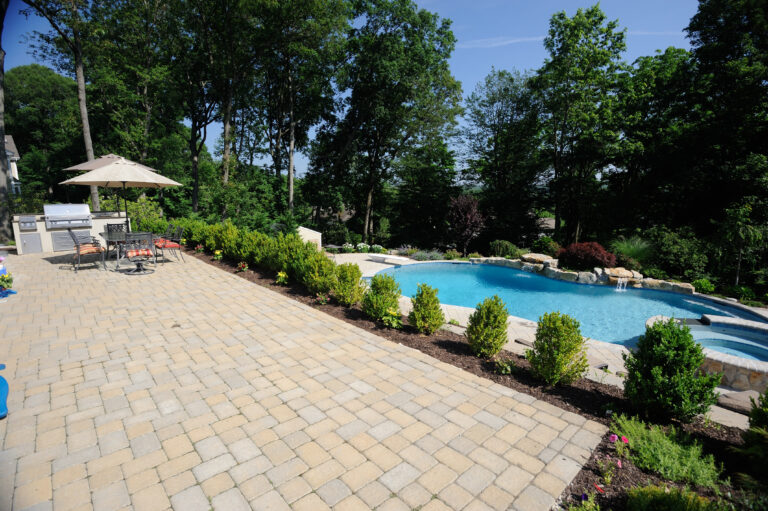
Pavers excel in New Jersey’s challenging climate due to their modular design that allows individual pieces to move independently during freeze-thaw cycles. Unlike solid concrete slabs that crack under pressure, pavers can flex with seasonal ground movement, preventing the structural damage common in traditional concrete installations.
Natural stone offers superior raw strength, with granite withstanding between 16,000-25,000 pounds per square inch (PSI) compared to concrete’s 2,500 PSI. However, this strength advantage comes with installation complexities that can affect long-term performance if not properly executed. While some natural stones, depending on their density and internal structure, can allow water to escape and thus minimize internal pressure buildup during freeze-thaw cycles, proper installation with adequate drainage and, for more porous types, sealing, is crucial to prevent moisture from becoming trapped and causing damage.
2. Maintenance Requirements – Porcelain Pavers Lead in Low-Maintenance Appeal
Porcelain pavers represent the pinnacle of low-maintenance patio materials. Their non-porous surface resists moisture, oil, and mold while requiring only occasional cleaning to maintain their appearance. This makes them particularly suitable for busy households that want beautiful outdoor spaces without intensive upkeep.
Natural stone maintenance varies significantly by type. While granite and bluestone require minimal care beyond periodic sealing, softer stones like limestone demand more frequent attention. Concrete pavers fall somewhere in the middle, needing occasional power washing and joint sand replacement to prevent weed growth and maintain structural integrity.
3. Replacement and Repair Options – Individual Paver Modularity vs. Stone Complexity
The modular nature of pavers provides unmatched repair flexibility. Individual damaged pieces can be removed and replaced without affecting surrounding areas, making repairs cost-effective and visually seamless. This advantage becomes particularly valuable over time as normal wear patterns develop.
Natural stone repairs present greater challenges. Matching stone color, texture, and size often proves difficult, especially with aged installations where weathering has changed the stone’s appearance. Replacement typically requires skilled craftsmen familiar with stone cutting and fitting techniques, increasing both time and cost.
Cost Breakdown: Investment vs. Value
Material Costs Per Square Foot – Porcelain $7-35, Concrete $2-15, Natural Stone Premium
Material costs vary significantly across patio options. Material costs for concrete pavers typically range from $2-15 per square foot. Traditional concrete slabs are often more economical, with installed costs for a basic design ranging from $3-12 per square foot.
Natural stone commands premium pricing, with material costs typically ranging from $3-50 per square foot. High-end granite options can exceed $30 per square foot. Their exceptional longevity often justifies the initial investment through reduced replacement costs over time.
Labor Expenses – Base Preparation and Installation Complexity Factors
Labor costs typically account for 50% of total project expenses, ranging from $8-15 per square foot, regardless of material choice. However, installation complexity varies dramatically between materials. Concrete pours require precise timing and weather conditions, while paver installations demand meticulous base preparation and leveling.
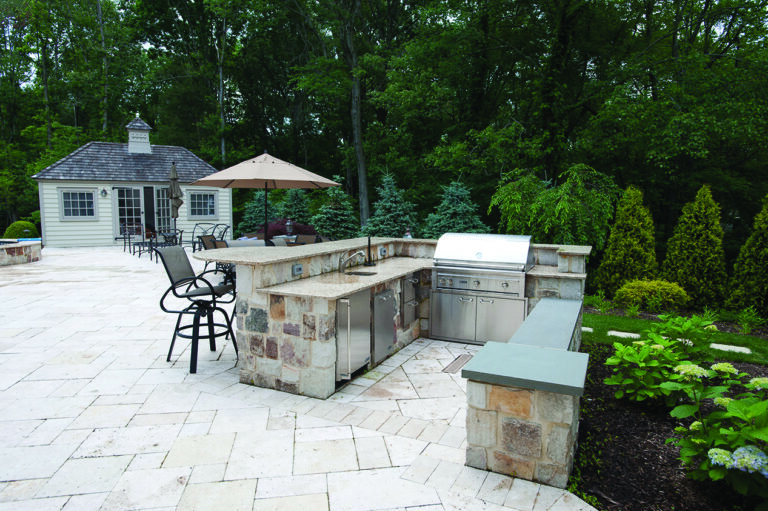
Natural stone installation requires the highest skill level, as each piece must be individually fitted and leveled. This specialized labor often commands premium rates, but proper installation ensures decades of performance that justifies the investment for homeowners prioritizing long-term value.
Why Concrete Fails in Watchung’s Freeze-Thaw Cycles
Concrete patios face significant challenges in New Jersey’s climate due to their monolithic structure. Water penetrates concrete and freezes, creating expanding ice that generates internal pressure leading to cracking and spalling. These cracks then collect more water, accelerating the deterioration process through repeated freeze-thaw cycles.
The rigid nature of poured concrete cannot accommodate the ground movement common in Central New Jersey’s varied soil conditions. As the ground expands and contracts with moisture changes, concrete slabs develop stress fractures that worsen over time. Unlike pavers that can move independently, concrete transfers all ground stress directly to the slab structure.
Repair options for damaged concrete remain limited and often expensive. Crack patching rarely matches the original surface appearance, while full slab replacement requires complete demolition and reconstruction. These limitations make concrete a poor long-term investment despite its initially lower material costs.
Design Flexibility Across Different Materials
1. Color and Pattern Options – Manufactured Variety vs. Organic Natural Textures
Manufactured pavers offer virtually unlimited design possibilities through controlled production processes. Modern concrete pavers come in dozens of colors, textures, and sizes that can create intricate patterns and visual effects. Porcelain pavers push this flexibility even further with realistic wood and stone appearances that maintain consistency across large installations.
Natural stone provides organic beauty that manufactured materials cannot fully replicate. Each piece offers unique color variations and textures that create one-of-a-kind installations. However, this natural variation can make color matching difficult for repairs and limit pattern consistency for homeowners preferring uniform appearances.
2. Aesthetic Matching for Home Styles
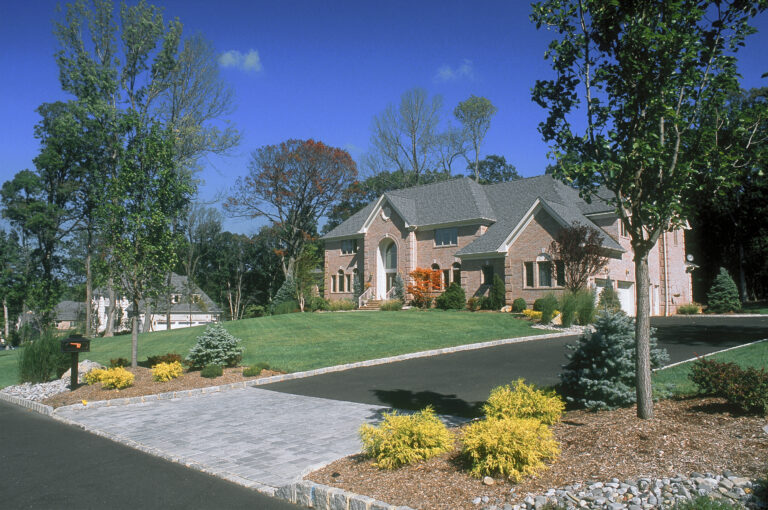
Traditional brick and colonial homes pair beautifully with classic brick pavers or natural bluestone that complement existing architectural elements. Contemporary homes benefit from clean-lined concrete pavers or sleek porcelain options that reinforce modern design themes.
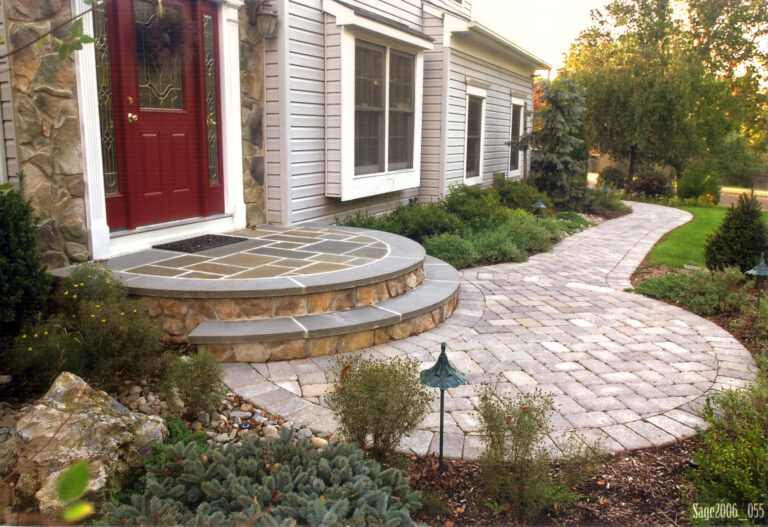
Rustic and craftsman-style homes showcase natural stone’s organic appeal, with flagstone and irregular granite creating outdoor spaces that feel connected to the landscape. The key lies in selecting materials that enhance rather than compete with existing home features.
3. Porcelain Pavers for Modern Appeal
Porcelain pavers represent the cutting edge of patio design technology. Their precise manufacturing allows for ultra-thin profiles and large format sizes that create seamless, contemporary appearances impossible with traditional materials. Advanced printing techniques produce incredibly realistic wood, stone, and concrete textures without natural material limitations.
These high-tech pavers excel in modern landscape designs that emphasize clean lines and minimal maintenance. Their consistent coloring and sizing create sophisticated outdoor rooms that extend interior living spaces while withstanding New Jersey’s demanding climate conditions.
Making the Right Choice for Your Outdoor Space
Selecting the right patio material ultimately comes down to balancing durability, maintenance, design preferences, and budget against the specific conditions of the property. In a climate like Central New Jersey’s, where freeze-thaw cycles and shifting soils put constant stress on outdoor surfaces, material choice has a direct impact on how long a patio performs and what it costs to maintain over time. Working with a contractor familiar with local soil and seasonal conditions helps ensure that both the material selection and the installation method are suited to the site from the outset.