How To Fix Muddy Waterlogged Soil | NJ Landscaper Explains Drainage Solutions
Is your New Jersey yard holding water like a swimming pool every spring? Clay soil compaction might be sabotaging your landscape with muddy waterlogged soil—and threatening your home’s foundation. Discover why traditional fixes fail and which professional solutions actually work long-term.
Key Takeaways
- Central New Jersey’s clay soil combined with spring moisture creates severe compaction problems that prevent water infiltration and damage plant growth.
- Warning signs include water pooling on surfaces, stunted plants, and bare patches where grass struggles to establish roots in compressed soil.
- Untreated drainage problems can lead to foundation damage and basement flooding as water finds alternative paths into your home’s structure.
- Professional drainage solutions like French drains and custom grading provide long-term fixes that amateur soil amendments alone cannot achieve.
Spring should bring renewed growth to New Jersey properties, but many homeowners face the frustrating reality of waterlogged, compacted soil that seems to reject every planting effort. Understanding why this happens and knowing proven solutions can transform your soggy yard into a thriving outdoor space.
Why Central New Jersey’s Clay Soil Creates Spring Drainage Problems
Central New Jersey’s predominantly clay soil composition creates a perfect storm for drainage issues during spring months. Clay particles are incredibly fine and pack together tightly when wet, forming an almost impermeable barrier that prevents water from soaking into the ground. This natural characteristic becomes particularly problematic in areas like Watchung, Bridgewater, and Warren, where homeowners regularly battle standing water and muddy conditions.
Spring’s high moisture levels from snowmelt and frequent rainfall worsen these compaction issues significantly. As soil particles press together under the weight of accumulated water, the pore spaces that allow air and water movement disappear entirely. The result is soil that behaves more like concrete than the living, breathing foundation plants need to thrive.
The timing couldn’t be worse for homeowners eager to start their spring projects. Just when gardens should be preparing for new growth, the soil becomes hostile to root development and water absorption. Sage Landscape Contractors and Tree Experts has observed this pattern consistently across their 40+ years serving New Jersey properties, noting that clay soil compaction often worsens in areas with heavy foot traffic or construction activity.
Clear Warning Signs Your Yard Has Compacted Soil Issues
Recognizing compacted soil problems early allows homeowners to address drainage issues before they become expensive structural problems. These warning signs typically appear most prominently during and immediately after spring rains, when the full extent of drainage failure becomes obvious.
1. Hard Surface and Water Pooling
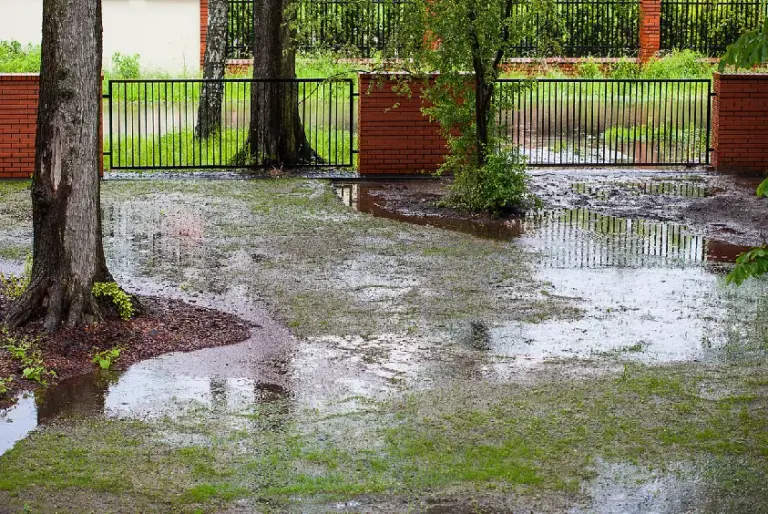
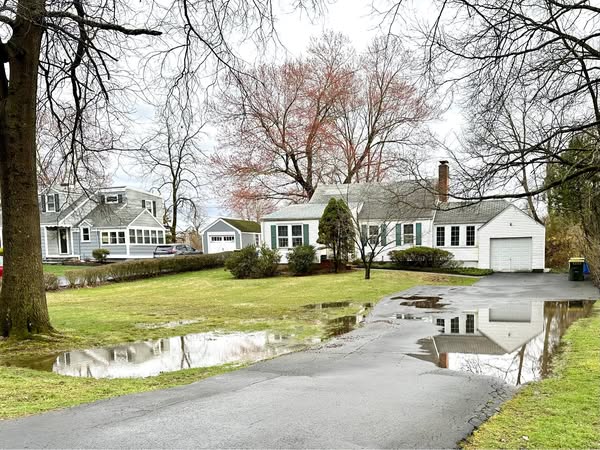
The most obvious indicator of compacted soil is a surface that feels rock-hard when dry and creates persistent puddles when wet. Water that should soak into healthy soil instead runs off or sits on top, creating muddy conditions that can last days after rainfall ends. Homeowners often notice they can barely push a shovel into the ground, and when they do, the soil comes up in solid, brick-like chunks rather than loose, crumbly pieces.
2. Stunted Plant Growth Patterns
Plants struggling in compacted soil display characteristic stress patterns that become unmistakable once you know what to look for. Existing shrubs and perennials remain smaller than expected, with yellowing leaves that suggest nutrient deficiency even when fertilizer has been applied. New plantings may survive initially but fail to establish strong root systems, making them vulnerable to drought stress later in the season.
3. Bare Spots and Root Development Issues
Grass struggles most visibly in compacted areas, creating bare patches where seeds cannot germinate successfully or existing turf gradually dies back. When you examine these areas closely, root systems appear shallow and stunted, unable to penetrate the compressed soil layers. These bare spots often coincide with high-traffic areas like pathways or play areas where repeated foot traffic has compressed the soil beyond its recovery point.
What Happens When Poor Drainage Goes Untreated
Ignoring drainage problems creates a cascade of increasingly serious and expensive issues that affect both property health and home structure. What starts as standing water in garden beds can escalate into major damage that requires professional intervention and significant financial investment.
Foundation and Basement Risks
Poor drainage around homes creates hydrostatic pressure against foundation walls as water seeks alternative paths when it cannot penetrate compacted soil. This constant moisture pressure can lead to foundation cracks, basement seepage, and in severe cases, structural settling that affects the entire home. Water that pools near foundations during spring rains has nowhere to go except toward the house, creating conditions that can result in costly basement flooding and long-term structural damage.
Property Health Problems
Compacted, poorly drained soil becomes anaerobic, meaning it lacks the oxygen necessary for healthy plant root function and beneficial soil microorganisms. This oxygen-starved environment encourages harmful fungi and bacteria while preventing nutrients from reaching plant roots effectively. Over time, even drought-tolerant plants begin to decline as their root systems cannot access the air and nutrients they need to survive, creating a cycle of plant replacement and continued frustration for homeowners.
Proven Soil Amendments for Clay and Compacted Ground
Addressing compacted clay soil requires a strategic approach that combines immediate improvements with long-term soil health building. Success depends on understanding which amendments work best for New Jersey’s specific soil conditions and applying them at optimal times for maximum effectiveness.
1. Organic Matter Integration
Incorporating organic matter like compost, shredded leaves, or aged manure provides the most reliable long-term improvement for clay soil structure. These materials work by encouraging clay particles to aggregate into larger clusters, creating the pore spaces needed for water infiltration and root penetration. The key is adding sufficient quantities—typically 2-4 inches of organic matter worked into the top 6-8 inches of soil—and repeating the process annually until soil structure improves noticeably.
2. Gypsum for Sodic Clay Soils (Test First)
Gypsum (calcium sulfate) can provide dramatic improvements in clay soil drainage, but only under specific conditions that require soil testing to identify. When clay soil contains high levels of sodium, gypsum causes clay particles to flocculate or clump together, creating larger pore spaces that allow water to penetrate more effectively. However, gypsum provides no benefit in non-sodic soils and can even worsen conditions if applied incorrectly, making professional soil testing necessary before application.
3. Core Aeration Timing
Core aeration performed at optimal times can significantly reduce soil compaction and improve drainage in lawn areas. For New Jersey’s predominantly cool-season grass varieties, early fall aeration proves most effective, allowing grass roots to recover and establish before winter dormancy. Spring aeration can also help, but timing is critical—soil must be moist but not waterlogged, and the process should occur after the soil has warmed but before the stress of summer heat arrives.
Professional Drainage Solutions That Work Long-Term
While soil amendments address surface compaction, severe drainage problems require engineered solutions that redirect water flow and create permanent pathways for excess moisture. Professional drainage systems provide the reliability and longevity that property owners need to protect their investment and eliminate chronic flooding issues.
French Drain Systems
French drains represent the gold standard for subsurface drainage, consisting of perforated pipes surrounded by gravel that intercept groundwater and direct it away from problem areas. Properly installed French drain systems can handle significant water volumes while remaining invisible once restoration is complete. The key to French drain success lies in proper grading to ensure consistent water flow and strategic placement to intercept water before it reaches foundations or low-lying areas.
Surface Water Management
Surface drainage solutions like catch basins, channel drains, and engineered swales address water that runs off compacted soil rather than soaking in. These systems collect runoff at strategic points and direct it toward appropriate discharge areas, preventing erosion and eliminating the standing water that creates mosquito breeding grounds. Effective surface water management often combines multiple techniques tailored to the specific topography and water flow patterns of individual properties.
Custom Grading Solutions
Strategic regrading can eliminate drainage problems by creating gentle slopes that direct water flow away from structures and toward appropriate drainage areas. Professional grading takes into account not just immediate water flow but also long-term considerations like soil settling and seasonal variations in water table levels. This approach often provides the most cost-effective solution for properties where drainage problems stem primarily from improper slopes rather than soil impermeability.
Sage Landscape’s 40-Year Track Record Solving NJ Drainage Challenges
Four decades of experience solving New Jersey’s unique drainage challenges has given Sage Landscape Contractors and Tree Experts deep insight into which solutions provide lasting results versus temporary fixes. Their approach combines thorough site assessment with proven engineering techniques, ensuring that drainage improvements address root causes rather than just symptoms. This expertise proves especially valuable in Central New Jersey’s challenging clay soil conditions, where generic solutions often fail to provide the reliability homeowners need.
The company’s long-term client relationships demonstrate the effectiveness of properly designed drainage systems—many installations from decades past continue functioning flawlessly, protecting properties and maintaining healthy outdoor spaces through countless spring rainfall events. This track record reflects the importance of professional assessment and installation when dealing with serious drainage challenges that threaten both property value and structural integrity.
For homeowners facing persistent drainage and compaction issues, Sage Landscape Contractors and Tree Experts provides complete drainage solutions that transform problematic properties into thriving outdoor spaces.