Permeable Pavers & NJ Stormwater Rules: Contractor Compliance Insight
Installing permeable pavers in New Jersey? One contractor mistake—over-compacting your subgrade—can reduce infiltration by 90% and void your entire system’s regulatory compliance. Here’s what NJDEP actually requires and how to avoid thousands in retrofitting costs.
Key Takeaways
- New Jersey mandates 80% Total Suspended Solids (TSS) removal and 6.4-inch per hour infiltration rates for all major development permeable paver systems to meet state stormwater regulations.
- NJDEP requires specific AASHTO stone grades and post-construction testing using ASTM C1781 standards at minimum three locations to verify contractor compliance.
- Common installation mistakes like over-compacting subgrade or using contaminated stone materials can void regulatory compliance and system performance.
- Municipal programs may offer expedited permitting and tax incentives for homeowners choosing compliant permeable paver systems over traditional hardscaping.
- Professional installation by certified contractors ensures long-term compliance with NJ’s evolving stormwater management requirements.
New Jersey homeowners face increasingly strict stormwater management requirements that directly impact driveway, patio, and walkway projects. Understanding these regulations and working with compliant contractors can save thousands in retrofitting costs while protecting your property investment.
New Jersey Requires 80% TSS Removal and 6.4-Inch Infiltration for Major Development
The New Jersey Department of Environmental Protection (NJDEP) treats permeable paver systems as formal stormwater management facilities under the state’s Best Management Practices Manual. All pervious paving systems must achieve an 80% Total Suspended Solids removal rate and treat the entire Water Quality Design Storm volume without overflow to meet regulatory standards.
Beyond water quality control, NJDEP mandates a minimum tested infiltration rate of 6.4 inches per hour for the surface course of any pervious paving system designed for stormwater quality compliance. This performance standard ensures adequate drainage during New Jersey’s intense seasonal storms while preventing system failure during freeze-thaw cycles.
The 72-hour maximum drainage requirement represents another critical compliance factor. Systems must completely drain their storage volume within three days of a storm event to maintain regulatory approval and prevent mosquito breeding or ice formation during winter months. Professional paver installation contractors understand these timing requirements and design stone reservoirs accordingly to meet state standards.
NJDEP Stone Base and Testing Standards for Contractors
Proper permeable paver installation in New Jersey requires adherence to specific material standards and testing protocols that many general contractors overlook. The state’s technical requirements ensure long-term system performance and regulatory compliance.
1. AASHTO #8 Open-Graded Stone Requirements
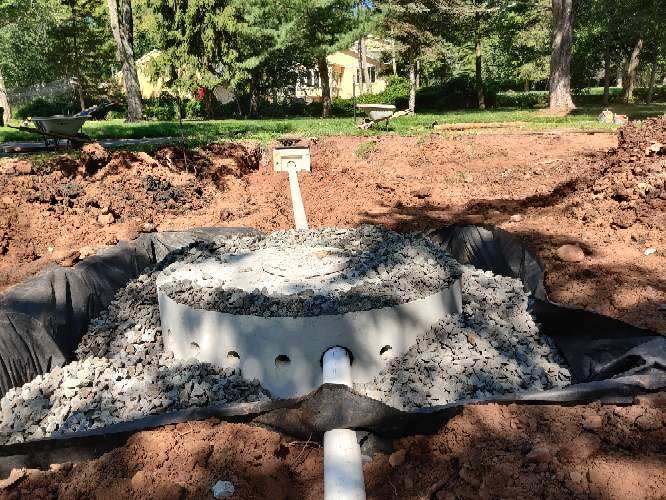
NJDEP specifications require paver units to be installed over a bedding course of clean, washed open-graded AASHTO No. 8 broken stone. The minimum choker course thickness must be 4 inches, with a storage bed constructed of AASHTO No. 2 broken stone beneath. This specific stone gradation maintains void space for water storage while providing structural support for vehicle loads.
Contractors must source stone materials from certified suppliers and verify gradation certificates before installation. Contaminated stone or incorrect sizing can reduce system permeability by up to 90%, essentially converting a permeable system into an impermeable one that violates state regulations.
2. Surface Course Infiltration Testing Methods
Post-construction testing represents a mandatory compliance step that many contractors attempt to skip. NJDEP requires infiltration testing conforming to ASTM C1781 standards, with measurements taken at a minimum of three evenly spaced locations across the paver surface.
Testing typically occurs after joint filling to assess the completed surface course. Results below the 6.4-inch per hour minimum trigger mandatory remedial action requirements, including potential system redesign or reconstruction, with responsibility for expenses determined by contractual agreements.
3. Engineer Design Verification Protocols
All permeable paver systems require pre-construction meetings with a qualified engineer to verify design specifications and construction sequencing. Engineers must confirm subgrade soil conditions, groundwater elevation, and seasonal high water table depths before approving installation.
Design verification includes calculating groundwater mounding effects and determining whether underdrains are necessary to meet the 72-hour drainage standard. Sites with shallow groundwater or clay soils typically require modified designs with enhanced drainage systems.
Municipal Compliance Benefits Beyond State Requirements
Many New Jersey municipalities have enacted local stormwater ordinances that exceed state minimums, creating additional opportunities for compliant permeable paver systems to provide regulatory and financial benefits.
Groundwater Recharge Credits
Pervious paving systems designed to infiltrate into the subsoil can be used to meet groundwater recharge requirements, but systems with underdrains cannot qualify for these credits. This distinction significantly impacts system design and affects property development rights for future expansions.
Municipalities often allow groundwater recharge credits to offset other development impacts, potentially reducing required detention basin sizes or allowing increased impervious coverage elsewhere on the property. These credits can save homeowners thousands in alternative stormwater management costs.
Expedited Green Infrastructure Permitting
Local planning departments increasingly offer streamlined permitting processes for projects incorporating approved green infrastructure practices. Compliant permeable paver installations may qualify for expedited review, potentially reducing project timelines by 30-60 days compared to conventional hardscaping applications.
Some municipalities may waive certain permit fees or reduce inspection requirements for pre-approved permeable paver systems, further incentivizing sustainable stormwater management practices among residential property owners.
NJ Financial Incentives Supporting Permeable Paver Adoption
New Jersey has implemented several financial incentive programs that make permeable paver installations more affordable for homeowners while encouraging compliance with stormwater regulations.
Stormwater Management Tax Credits
Sales of permeable pavement used in residential construction or improvement are exempt from New Jersey Sales and Use Tax, providing immediate cost savings on material purchases. Additionally, tax credits are available for purchasing qualified permeable paver products that meet state environmental standards.
The state’s concrete mandate law (S3091/A4933) requires builders to offer permeable pavers as an option in new construction, with associated tax benefits for homeowners who choose sustainable alternatives over conventional materials.
Municipal Green Infrastructure Programs
Local governments across New Jersey may offer rebate programs, reduced-interest loans, and grant opportunities for residential stormwater management improvements. These programs often provide 25-50% cost offsets for compliant permeable paver installations, though availability varies by municipality.
Homeowners in watersheds with Total Maximum Daily Load (TMDL) requirements may qualify for additional incentives through county and regional programs focused on water quality improvement.
Common Contractor Installation Mistakes That Void Compliance
Even well-intentioned contractors can compromise system performance and regulatory compliance through common installation errors that are easily preventable with proper training and oversight.
1. Over-Compacting Subgrade
Contractors must verify subgrade consistency and strictly avoid over-compacting existing materials to ensure proper infiltration rates. Many guidelines recommend minimal or no compaction of the subgrade for permeable systems to maintain natural soil permeability. Excessive compaction can reduce soil permeability by 70-90%, forcing water to pool on the surface instead of infiltrating through the system.
Proper subgrade preparation requires careful attention to maintaining natural permeability while ensuring stability. Over-compaction often occurs when contractors use equipment designed for conventional paving without adjusting techniques for permeable systems.
2. Using Contaminated Stone Materials
Stone aggregate contaminated with fines or organic matter can clog permeable systems within months of installation. Contractors must source washed, clean stone materials and protect them from contamination during transport and storage.
On-site contamination often occurs when stone is placed directly on exposed soil or when concrete washout water contacts aggregate materials. These mistakes can reduce system infiltration by 80% or more, requiring complete reconstruction to restore compliance.
3. Failing 72-Hour Maximum Drainage Requirements
Inadequate stone reservoir depth or improper underdrain design can prevent systems from meeting the mandatory 72-hour drainage standard. This failure not only violates NJDEP requirements but also creates liability issues for standing water and ice formation.
Contractors must calculate reservoir sizing based on local rainfall data and soil infiltration rates, often requiring 12-18 inches of open-graded stone storage in New Jersey’s clay soils. Undersized systems require expensive retrofitting to achieve compliance.
Sage Landscape Contractors Delivers Certified NJ-Compliant Systems
Professional installation of permeable paver systems requires specialized knowledge of New Jersey’s complex regulatory environment and proven experience with state-approved materials and methods. Certified contractors understand the critical importance of proper subgrade preparation, stone gradation selection, and post-construction testing protocols.
Working with experienced professionals ensures compliance with both current regulations and evolving standards while maximizing system longevity and performance. Proper installation prevents costly retrofitting and protects property values through sustainable stormwater management practices.
The investment in compliant permeable paver systems pays dividends through reduced municipal fees, expedited permitting, and long-term property protection from stormwater damage. Professional contractors also provide ongoing maintenance guidance to preserve system performance and regulatory compliance over decades of service.
For expert permeable paver installation that meets all New Jersey stormwater regulations, connect with us at Sage Landscape Contractors & Tree Experts.