Why Winter? Central NJ Contractor Reveals Hardscape Drainage Timing
You’ve noticed ice damage on your patio or water pooling near your foundation after winter storms—but did you know these problems actually make winter the best time to plan drainage solutions? Here’s why Central NJ contractors say cold weather reveals what you can’t see in summer.
Key Takeaways
- Winter reveals true drainage patterns – cold weather exposes exactly where water flows and pools on your property, making it the ideal time for identifying problem areas
- Strategic planning prevents spring damage – addressing drainage issues before snowmelt season protects your hardscape investment and prevents costly water damage
- Contractor availability increases during off-season – winter offers better scheduling flexibility and less disruption to daily outdoor activities
- Installation timing requires careful consideration – while planning is optimal in winter, frozen ground may limit immediate installation of certain drainage systems
Central New Jersey homeowners often wonder why drainage experts recommend winter for hardscape drainage projects. The answer lies in understanding how seasonal conditions reveal hidden problems and create unique opportunities for protection.
Winter Exposes Your Property’s True Drainage Problems
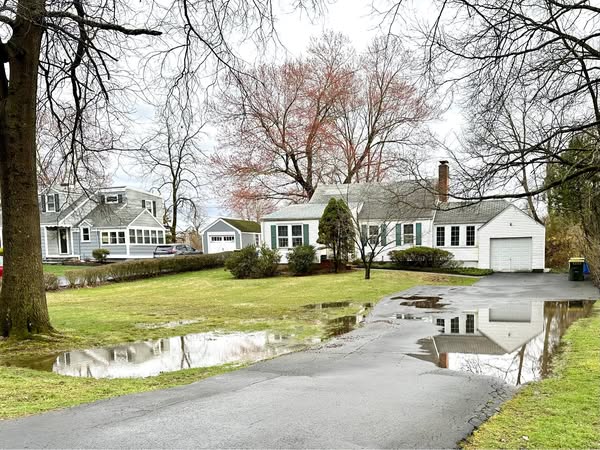
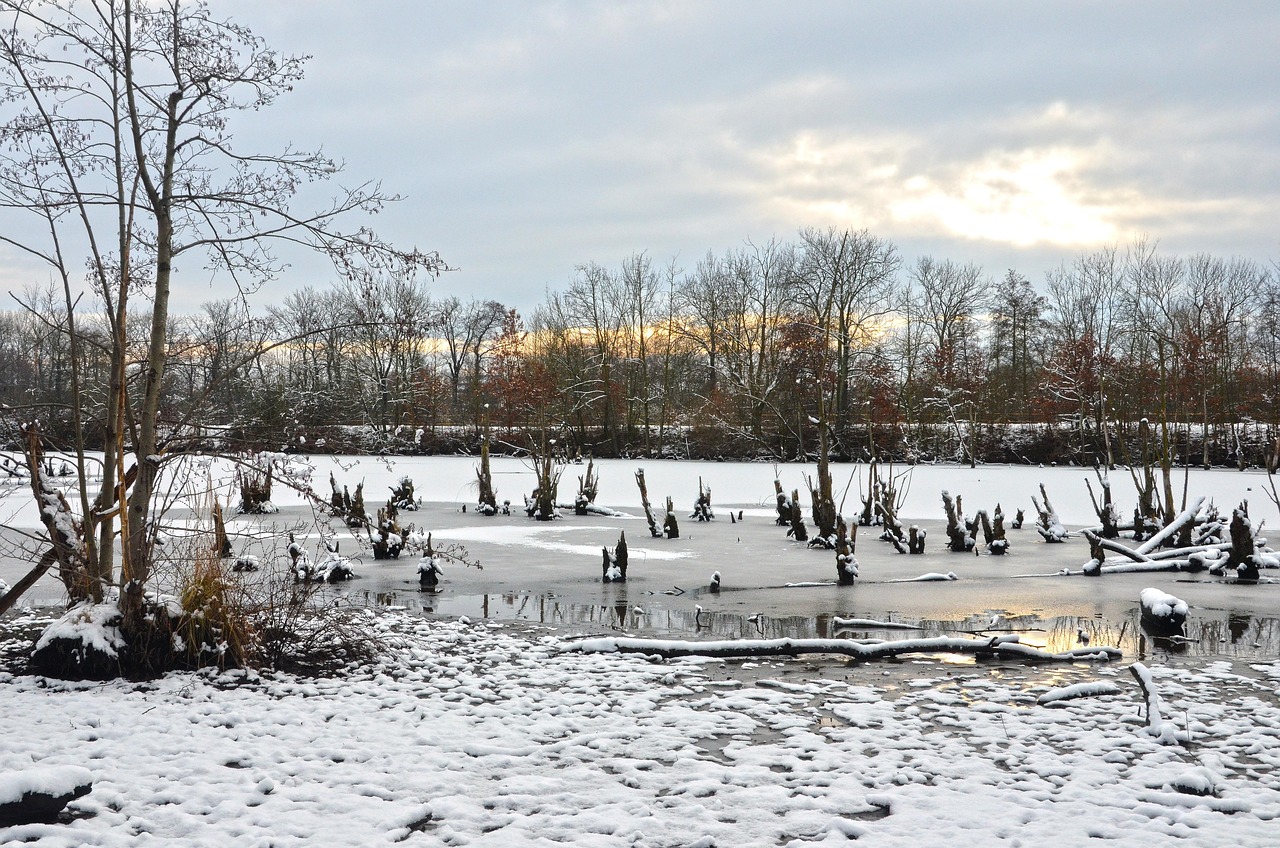
Winter conditions act like a diagnostic tool for your property’s drainage system. When temperatures drop and precipitation falls as snow, ice, and freezing rain, water movement patterns become crystal clear. Unlike summer storms that quickly absorb into warm soil, winter moisture lingers, pooling in low spots and revealing exactly where drainage failures occur.
The freeze-thaw cycle intensifies these revelations. Water that sits stagnant during mild winter days expands when temperatures plummet, creating visible damage to pavement, walkways, and foundation areas. Property owners can literally see where water travels, accumulates, and causes problems – information that’s often hidden during warmer months when soil absorption rates are higher.
Central New Jersey’s climate presents particular challenges with its combination of heavy snowfall, frequent winter rains, and temperature fluctuations. Sage Landscape Contractors has observed these patterns for over 40 years, noting how winter conditions consistently expose drainage deficiencies that homeowners never noticed during growing seasons.
Strategic Planning Benefits Before Spring Damage
1. Prevent Snowmelt Saturation from Delaying Projects
Spring snowmelt in Central New Jersey can saturate poorly-drained yards for weeks, creating a domino effect that delays landscaping projects well into summer. When drainage systems aren’t properly designed, snowmelt has nowhere to go except into basement foundations, under hardscape materials, and through vulnerable areas around retaining walls.
Proactive winter planning allows homeowners to address these vulnerabilities before the critical snowmelt period. By identifying and designing drainage solutions during winter months, properties can be prepared for spring’s water challenges rather than scrambling to fix flood damage after it occurs.
2. Secure Planning and Design During Contractor Off-Season
Winter represents the off-season for most landscaping companies in New Jersey, creating significant advantages for homeowners ready to plan drainage projects. Contractor availability increases dramatically, allowing for more detailed consultations, thorough site analysis, and project planning without the rushed timeline pressure of peak season.
Design development becomes more thorough during winter months when contractors aren’t juggling multiple active construction sites. This extended planning period ensures drainage systems are properly engineered for specific property challenges, soil conditions, and water flow patterns unique to Central New Jersey’s geography.
3. Minimize Disruption to Daily Life
Winter hardscape projects create minimal disruption to outdoor living routines. Families aren’t hosting barbecues, children aren’t playing in yards daily, and garden areas aren’t in active use. This reduced foot traffic allows contractors to work more efficiently while homeowners experience less inconvenience from construction activities.
The dormant landscaping season also means existing plantings are less vulnerable to damage during drainage installation. Trees and shrubs are dormant, making it easier to work around root systems without affecting spring growth cycles.
Protecting Your Hardscape Investment Through Winter
Foundation Material Protection from Freeze-Thaw
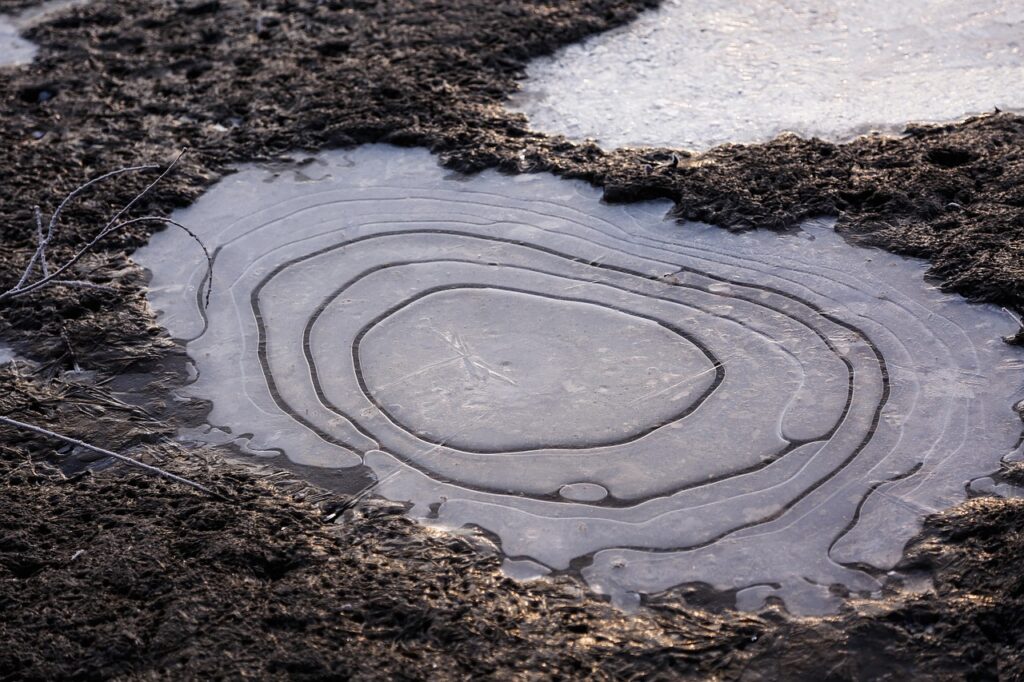
Proper drainage serves as the cornerstone of winter hardscape protection. When water saturates the base material beneath pavers, concrete, or stone installations, freeze-thaw cycles create devastating damage. Water expands approximately 9% when it freezes, generating enough pressure to crack foundations, shift pavers, and compromise structural integrity.
Effective drainage systems channel water away from hardscape foundations before it can penetrate and freeze. French drains, properly graded surfaces, and permeable base materials work together to eliminate the standing water that causes freeze-thaw damage. Without these protections, even high-quality hardscape installations face premature failure during Central New Jersey’s harsh winter cycles.
Retaining Wall Pressure Prevention
Retaining walls face particular winter vulnerabilities when drainage systems aren’t properly designed. Frozen soil behind retaining walls creates hydrostatic pressure that can cause catastrophic structural failure. Water trapped in soil expands during freezing, pushing against retaining wall structures with tremendous force.
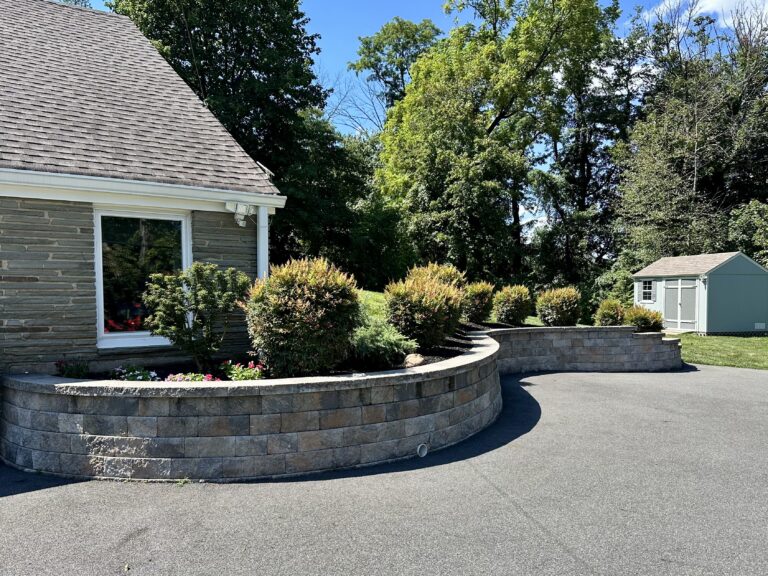
Professional drainage systems installed before or during winter prevent this dangerous pressure buildup. Weep holes, drainage pipes, and gravel backfill create paths for water to escape rather than freeze behind retaining walls. This proactive approach protects substantial hardscape investments from costly winter damage.
Installation Reality: When Frozen Ground Limits Options
Frost Line Requirements for French Drains
French drain installations in New Jersey require careful consideration of frost line depths, which typically extend 3 to 4 feet below ground surface. Drainage pipes must be installed below this depth to prevent freezing and cracking during winter months. This technical requirement creates challenges when ground conditions are already frozen.
Professional contractors understand these depth requirements and plan installations accordingly. While frozen ground may prevent immediate excavation, proper planning during winter months ensures drainage systems can be installed correctly when ground conditions allow, typically during brief warm periods or early spring thaws.
Construction Window Considerations
Central New Jersey winters occasionally feature mild weather windows suitable for certain drainage construction projects. Experienced contractors monitor weather patterns and soil conditions to identify optimal installation opportunities. However, homeowners should expect that major excavation work may need to wait for spring ground thaw.
The key advantage of winter planning is having all design, permitting, and material procurement completed before favorable construction windows open. This preparation allows projects to move forward immediately when conditions permit, rather than starting the planning process in spring when contractor schedules fill rapidly.
Immediate Steps Central NJ Homeowners Can Take Now
1. Identify Low Spots and Water Flow Patterns
Winter conditions make it easy to identify problematic drainage patterns around your property. Walk your yard after snowmelt or winter rains to observe where water pools, flows toward structures, or creates muddy areas. Take photographs of these problem zones for future reference during drainage system design.
Pay particular attention to areas where water approaches your home’s foundation, pools near hardscape installations, or creates erosion patterns. These observations provide valuable data for designing effective drainage solutions that address your property’s specific challenges.
2. Clear Gutters and Drainage Pipes
Ensure existing drainage infrastructure functions properly before ground freezes solid. Clean gutters, downspouts, and any visible drainage pipes to maximize water flow capacity during winter months. Remove leaves, debris, and ice buildup that can cause backups and flooding.
Inspect current drainage outlets to verify they’re directing water away from structures and hardscape areas. Clogged or improperly functioning drainage systems can exacerbate winter water problems and provide misleading information about your property’s true drainage needs.
3. Document Problem Areas for Spring Planning
Create a detailed record of drainage issues observed throughout winter months. Document with photos, notes about timing (after specific weather events), and measurements of standing water depth or duration. This documentation proves invaluable when working with drainage professionals to design solutions.
Track how quickly different areas of your property drain after snow melts or winter rains. Areas that remain wet for extended periods indicate poor soil drainage that may require specialized solutions like French drains or soil amendments.
Sage Landscape Contractors Delivers 40+ Years of Central NJ Drainage Solutions
Founded in the 1980s by Rutgers-trained landscape architect Ed Sage III, Sage Landscape Contractors has spent over four decades solving complex drainage challenges across Central New Jersey. Their deep understanding of local soil conditions, climate patterns, and municipal requirements allows them to design drainage systems that protect hardscape investments for the long term.
The company’s approach addresses everything from foundation drainage and French drain installation to retaining wall protection and site grading. With over 20,000 satisfied customers, Sage combines technical knowledge with practical solutions that withstand Central New Jersey’s challenging weather conditions.
Their winter consultation services help homeowners identify drainage vulnerabilities and develop strategic plans for protecting valuable hardscape investments. This proactive approach prevents costly damage while ensuring outdoor spaces remain functional and beautiful throughout all seasons.
For drainage solutions that protect your Central New Jersey property’s hardscape investment, contact Sage Landscape Contractors to schedule your winter consultation and planning session.